

I find it so easy to get waylaid by curiosity when translating Forme of Cury, Richard II’s official cookery book. Give me a strange recipe name, and I’ll spend hours trying to work out what it might mean and where it’s from, instead of simply offering a modern English title that captures the essence ofContinue reading “Language of cookery 5: What does Crutoun mean?”
Author Archives: Christopher Monk
The anti-Basilisk plant
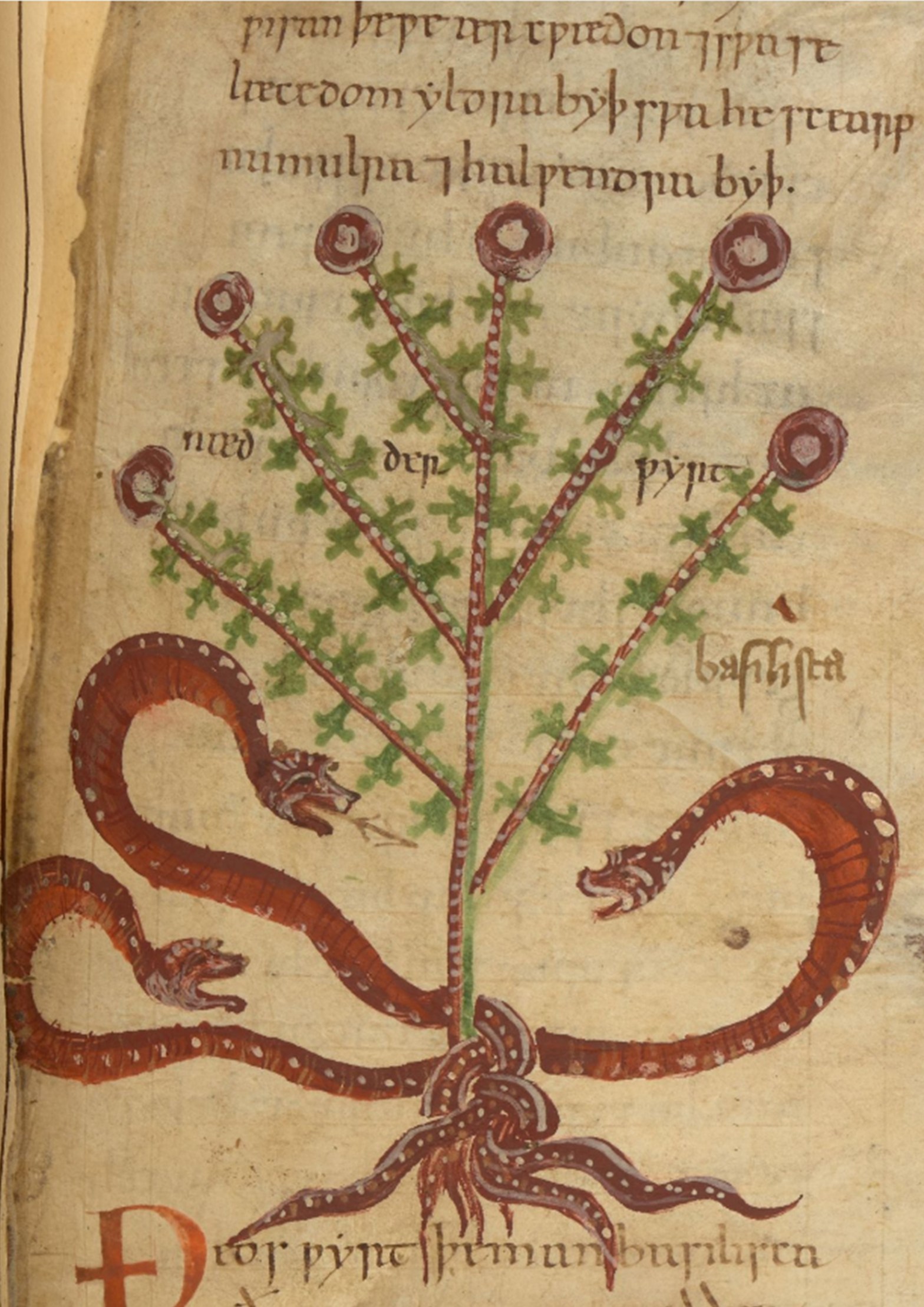
This year I’ve grown sweet basil from seed for the first time. I only wanted a few plants, so this morning, after thinning out my seedlings a couple of weeks ago, I potted up my six basil babes to grow them on to adulthood. Sweet basil, Ocimum basilicum. My first go at growing basil fromContinue reading “The anti-Basilisk plant”
Red as… alkanet
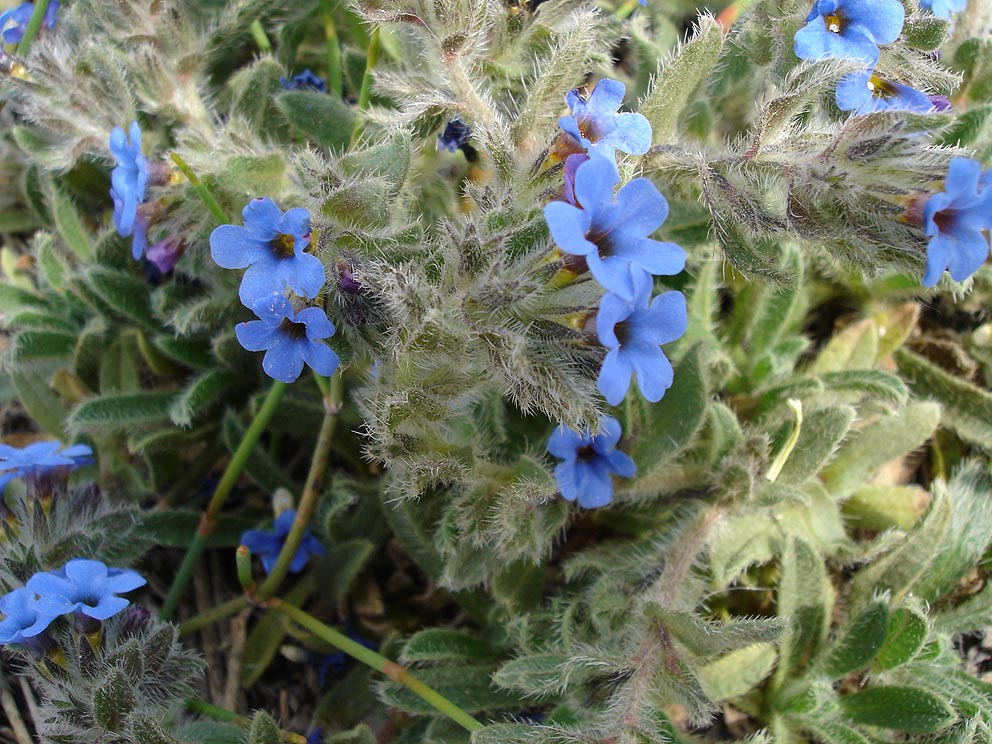
Yesterday, I was making a few revisions to one of the chapters in the book I’m writing, which at the moment has a working title of Sugar and Spice: The Cookery of Richard II. Whilst changing the font and the layout of the commentary sections – fiddling really – I came to the dish withContinue reading “Red as… alkanet”
Three medieval soft fruits

I love this time of year: late spring. My strawberries are just beginning to ripen — I’m going to have a fully ripe strawberry in May for the first time in about 10 years! My patio raspberries are being visited by many a bumblebee — I have quite a small garden, so dwarf fruit bushesContinue reading “Three medieval soft fruits”
Interruptio studii

Hello folks, I just wanted to bring you up to date and explain why there has not been much activity on the website (or my Facebook page) recently. I’ve not been keeping so well the last couple of months and have needed to put my medieval cookery research and writing to one side. I hopeContinue reading “Interruptio studii”
Language of cookery 4: meat ‘purses’
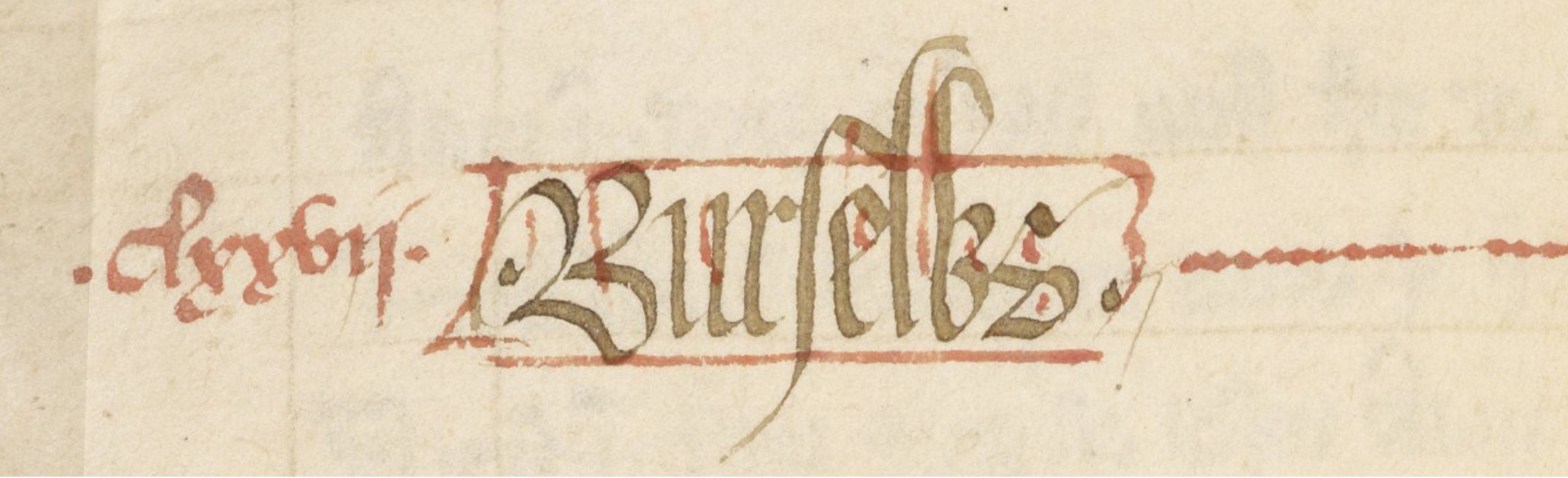
I love discovering the meanings behind the names given to medieval dishes. Call me scholar, call me nerd, I just can’t help myself. Many of the recipe titles in Richard II’s official cookery book, Forme of Cury (c. 1390), have bamboozled antiquarians and academics for centuries, so I get a kick out of working outContinue reading “Language of cookery 4: meat ‘purses’”
Fit for a king?

This week I take a look at the problem of visual aesthetics when reconstructing two of Richard II’s recipes During the last two weeks I finally got back into some recipe development. It’s easy to become preoccupied with writing about the recipes of Richard II’s cookery book and not actually cooking them. Don’t get meContinue reading “Fit for a king?”
Language of Cookery 3: 14th-century English Pappardelle?

Exploring the linguistic influences on medieval English cuisine Medieval English recipe names are frequently odd. And sometimes, as a translator, I’m led down a dodgy etymological path by a name that looks like a mangled concoction of Middle English and Old French or Anglo-Norman, only for it to turn out to be something quite different.Continue reading “Language of Cookery 3: 14th-century English Pappardelle?”
Language of Cookery 2: Ground beans?
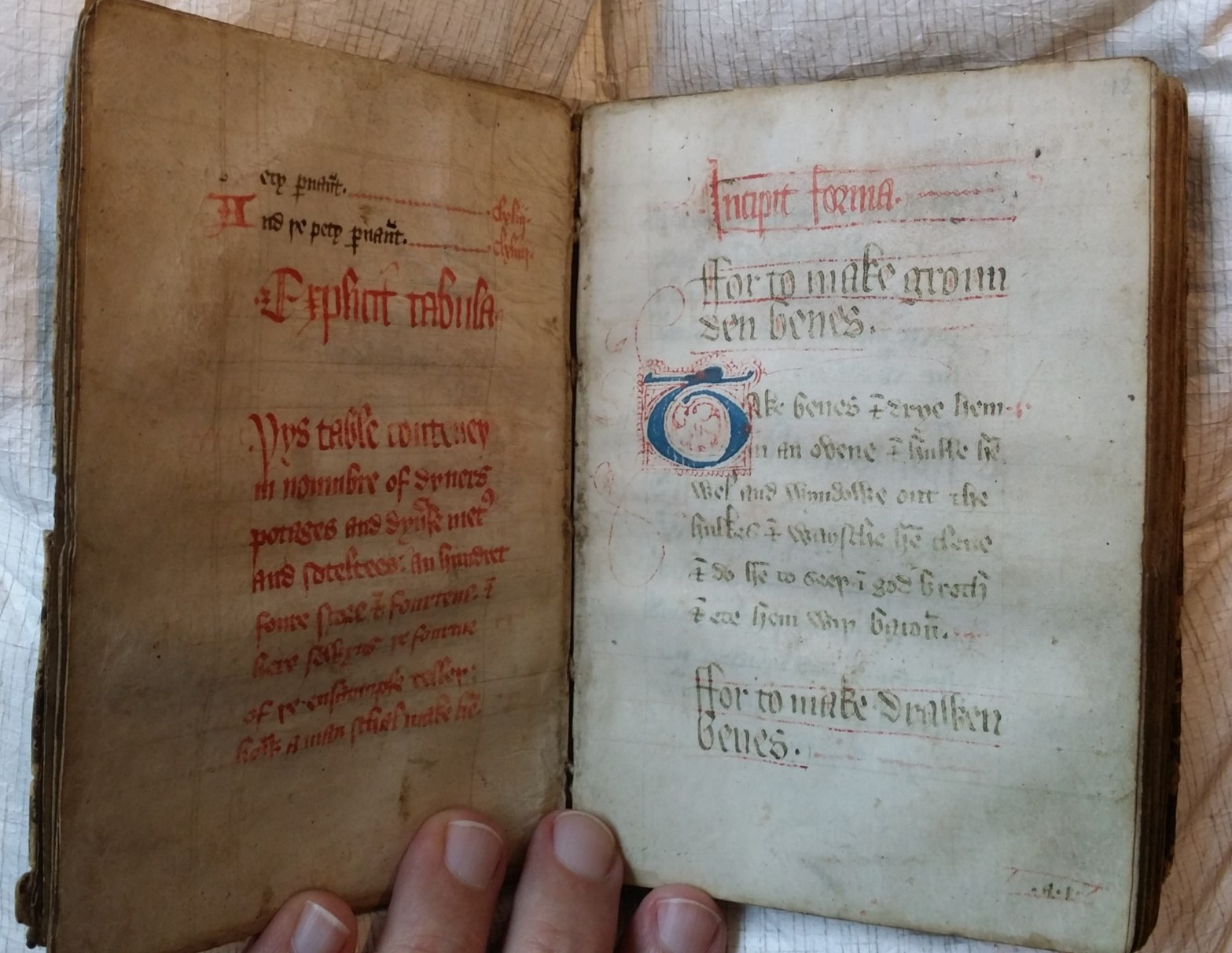
In the second of my short language notes I take a look at a culinary essential of Richard II’s cookery book For to make grounden benes. Take benes & drye hem in an ovene & hulle hem wel and wyndowe out the hulkes & waysche hem clene & do hem to seeþ in god brothContinue reading “Language of Cookery 2: Ground beans?”
Answers to: Ten things about me (one is a lie)
I hope you all have had a lovely time over the Christmas holidays. If not, or if Christmas is a tough time for you, all I can say is well done for getting through it. Of course, the one big thing on everyone’s mind over this holiday has been the answer to my last post,Continue reading “Answers to: Ten things about me (one is a lie)”

