
Seasons greetings everyone! Here’s something light and jolly for the Christmas holidays — perhaps best reserved for when you’re completely bored out of your mind! (You can only eat so many mince pies.) I’ve listed ten food and drink related facts about me; but one of them is a bit of a fib. See ifContinue reading “Ten things about me (one is a lie)”
Author Archives: Christopher Monk
Experiment: Spiced caudel

Caudel ferry Tak flour of payndemayn and gode wyne & drawe it togyder; do þerto a grete quantite of sugur cypre or hony clarified, & do per to safroun; boyle hit & whan it is yboyled alye it up with ȝolkes of ayroun & do þerto salt & messe hit forth, and lay þeron sugurContinue reading “Experiment: Spiced caudel”
Language of cookery 1: shifting meanings
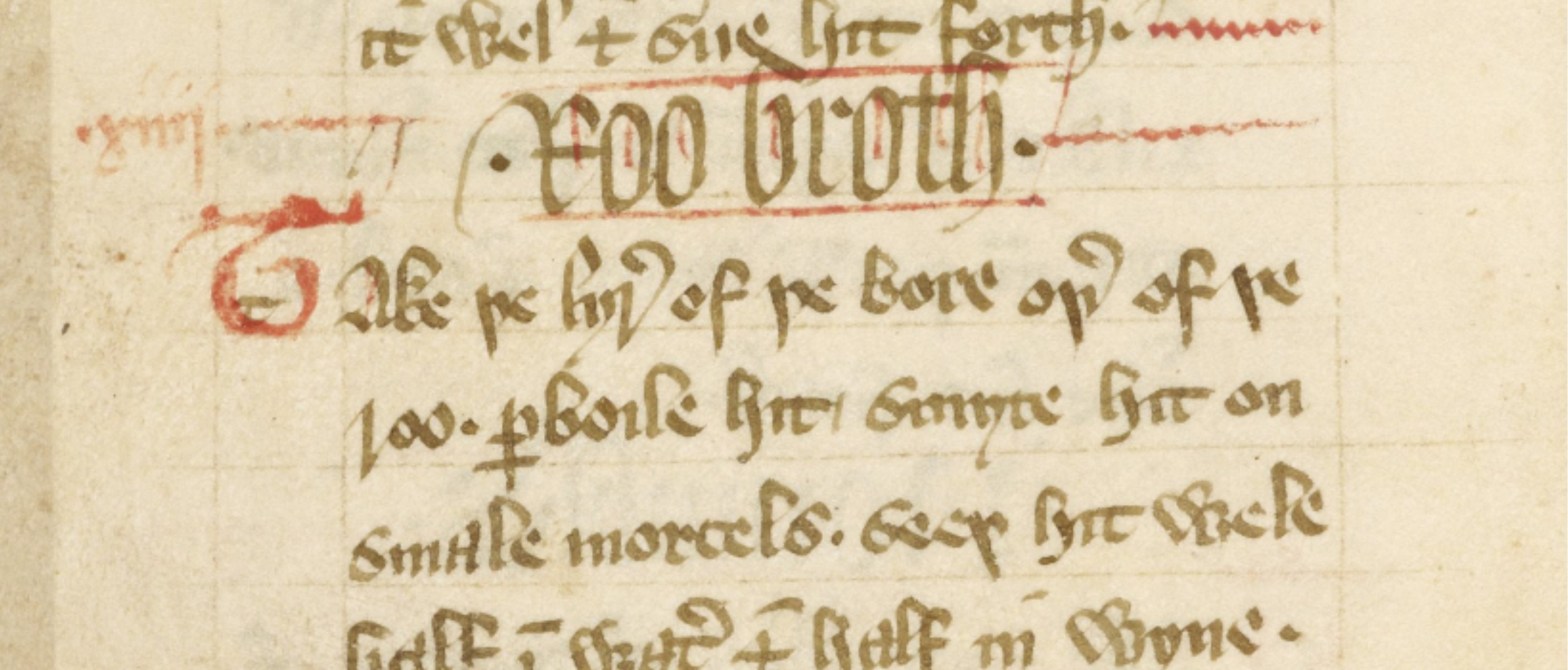
As I work my way through translating the recipes of Forme of Cury, Richard II’s official cookery book, I sometimes come across words that have shifted in meaning from how they were originally used. In this first of a series of ‘Language of cookery’ notes, I take a look at one of these words: smiten.Continue reading “Language of cookery 1: shifting meanings”
Herbs in early England

Hello everyone! This is just to let you know I’ve written a new blog post on my mother website, The Medieval Monk, about the use of herbs in early England before the Norman Conquest (1066). I take as the basis for the piece Erbolate, a recipe using eleven herbs found in Forme of Cury, RichardContinue reading “Herbs in early England”
Experiment: Pynnonade
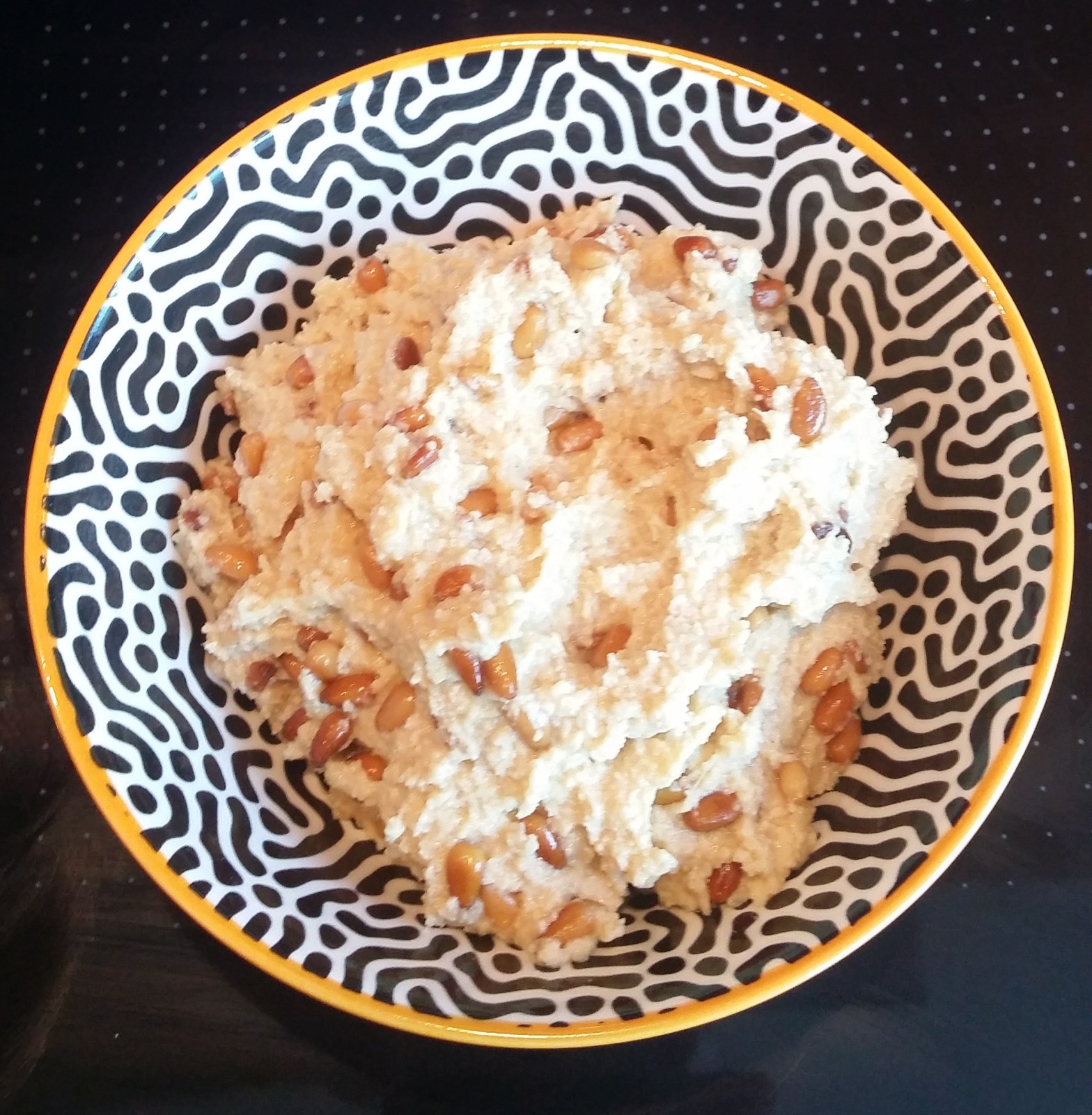
Pynnonade. Tak almaundes yblaunched & drawe hem up sumdel thykke wiþ gode broth oþer with water & set on þe fyre & seeþ it, cast þerto ȝolkes of ayroun ydrawe, tak pynes fryed in oyle oþer in grece & do þerto white poudour douce, suger & salt, & colour it with alkenet a litull. PineContinue reading “Experiment: Pynnonade”
Health update: getting better!
Hello everyone! Just wanted to share an update on my health. It’s good news: I’m starting to feel significantly better, and I am working right now on a new recipe experiment which, all being well, will be posted about in the next few days. I was diagnosed with an autoimmune blood disorder known as perniciousContinue reading “Health update: getting better!”
Apology
Hello everyone. Just a short note to apologise for the lack of new material on my website in the last few weeks. Unfortunately, I have been unwell. I’ve just been diagnosed with vitamin B12 deficiency which has left me exhausted (and somewhat impaired cognitively!). I hope to be back to experimenting with medieval food asContinue reading “Apology”
What is powder fort?

Hello medievalists and food lovers! Back in March, I took the recipe sauge yfarced — literally, ‘stuffed sage’— from Forme of Cury (King Richard II’s 14th-century cookery book) and brought it to the development stage. The result was pretty scrumptious. In essence this is my version of a medieval snack: spicy pork balls coated in fresh sageContinue reading “What is powder fort?”
Sprinkle on a little spicy magic
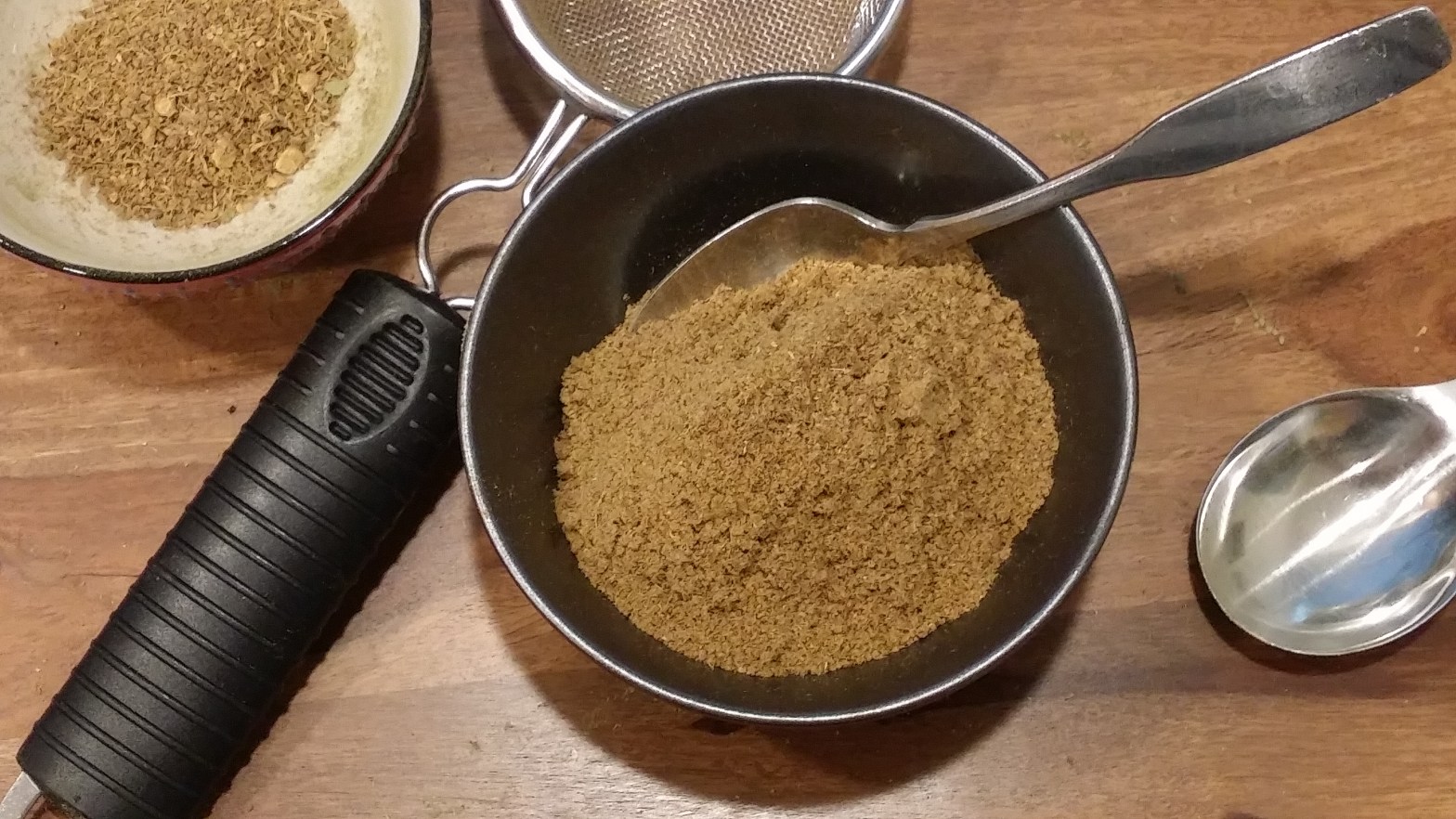
Hello medieval-minded food lovers. Today, I’m talking about a lovely, light, poached chicken dish which I made recently, and particularly about the spicy magic that lifts the dish: powder douce. Powder douce (poudre douce, powdour douce) is a spice mix that was used in many of the recipes of King Richard II’s household. ‘Cast thereonContinue reading “Sprinkle on a little spicy magic”
Medieval pastry: experimentation

I’ve been putting theory into practice, experimenting with different recipes for making medieval ‘paste’, the stuff which medieval cooks used for making pastries, from baked tarts and pies to fried crispels and fritters. In this post, I report back on my experiments to make authentic medieval pastry, using both egg yolk paste and whole eggContinue reading “Medieval pastry: experimentation”

