
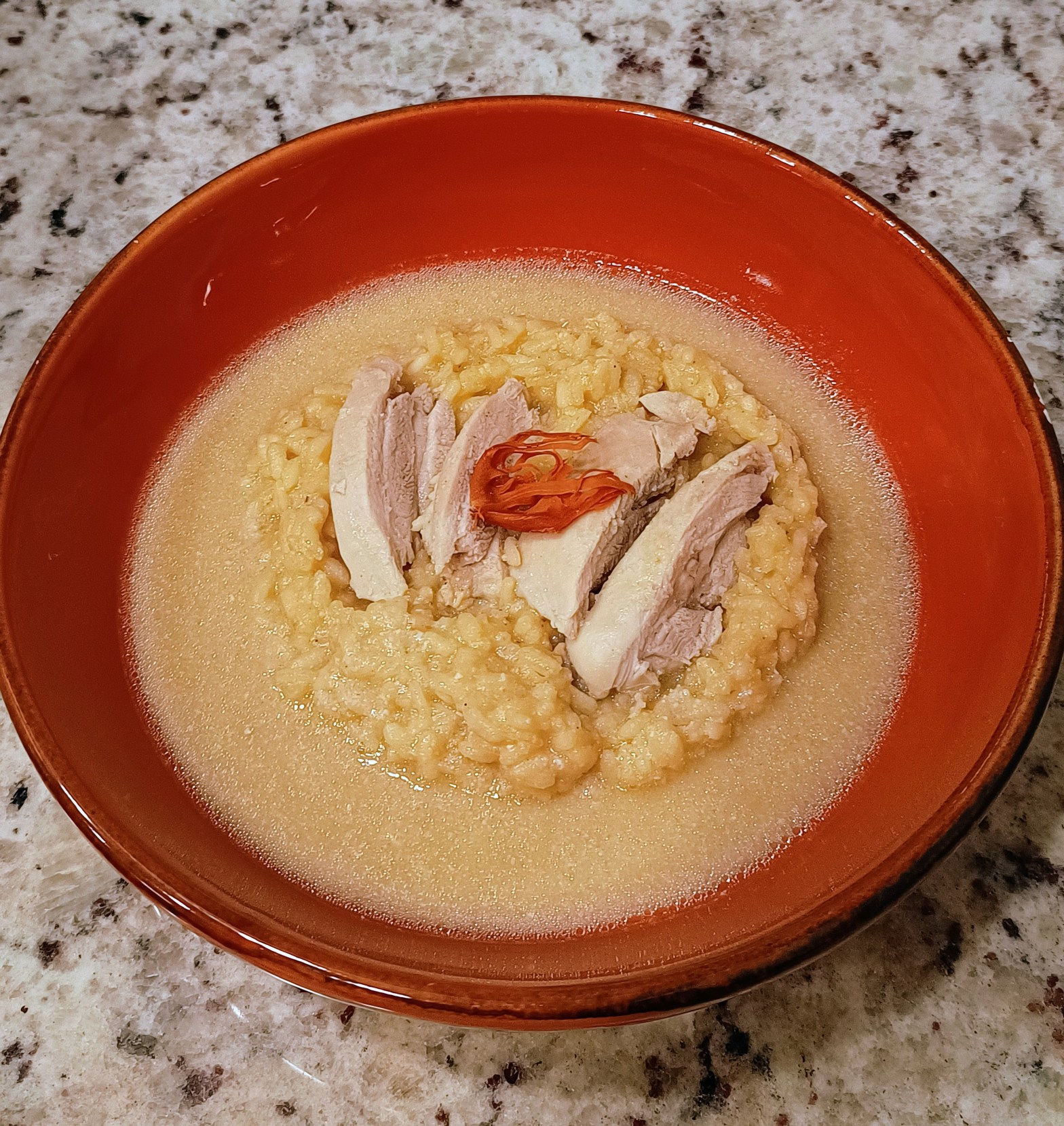
What exactly was gravy in England during the 1300s?
Includes my new recipe, Chicken in Gravy.
What exactly was gravy in England during the 1300s?
Includes my new recipe, Chicken in Gravy.
The humble chickpea was quite the thing in Richard II’s court! In this post, you’ll find a potted history of this legume in medieval England, as well as links to two of my recipes.
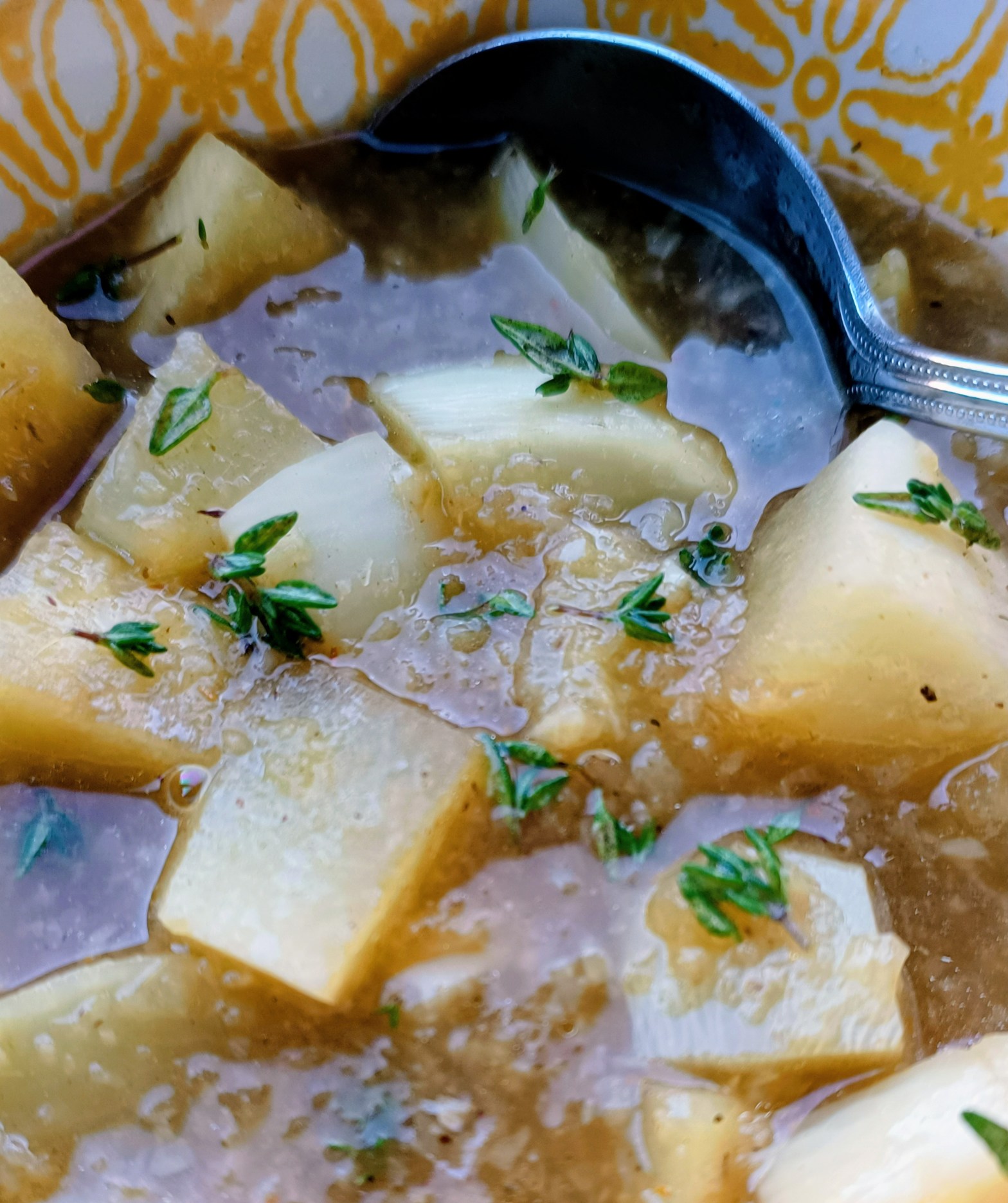
Did Richard II of England really eat turnip pottage?
In this post, I provide: a potted history of the turnip in medieval England; several reasons why Richard II would have eaten turnip pottage; a translation of the first English recipe of turnip pottage; and my own, new recipe based on this.
Who would have thought that the subject of medieval raisins would be so complex? In this post, I explore the use of ‘great raisins’ in Richard II’s cookery book, and ask if we can identify them.
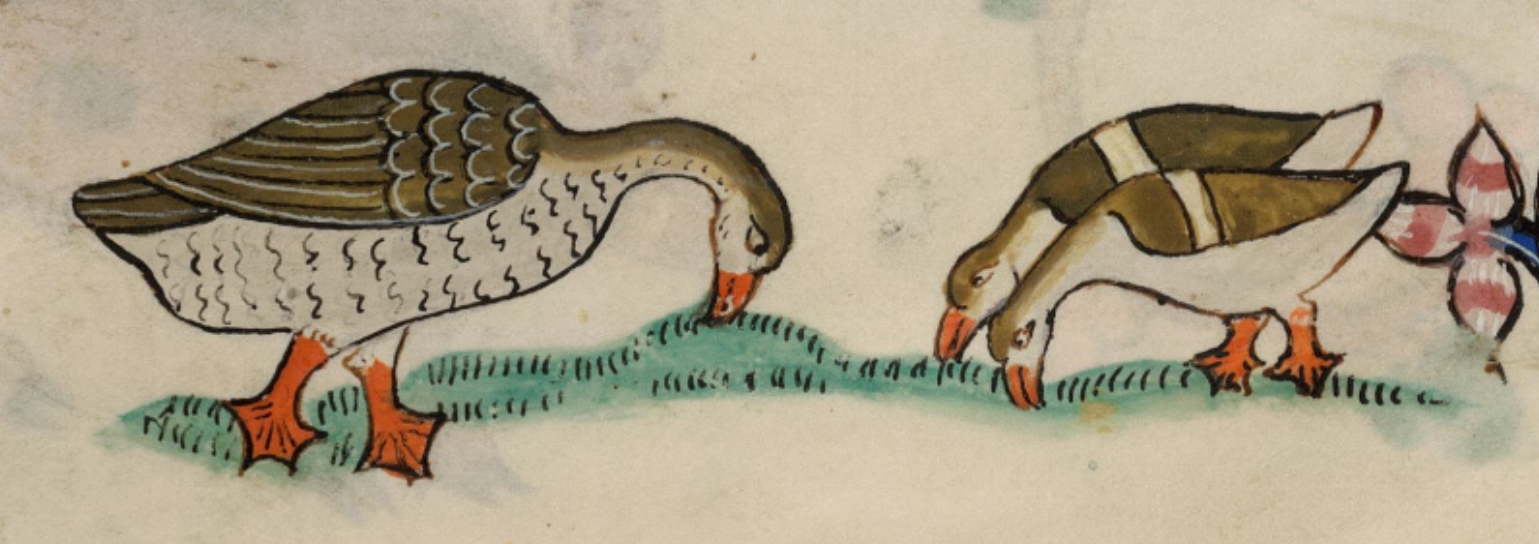
Find out what happened when a goose met a peacock at a medieval feast.
Find out what the top five posts of 2024 were. And here’s to an even better 2025!
Here’s my re-imagining of the famous carol The Twelve Days of Christmas.
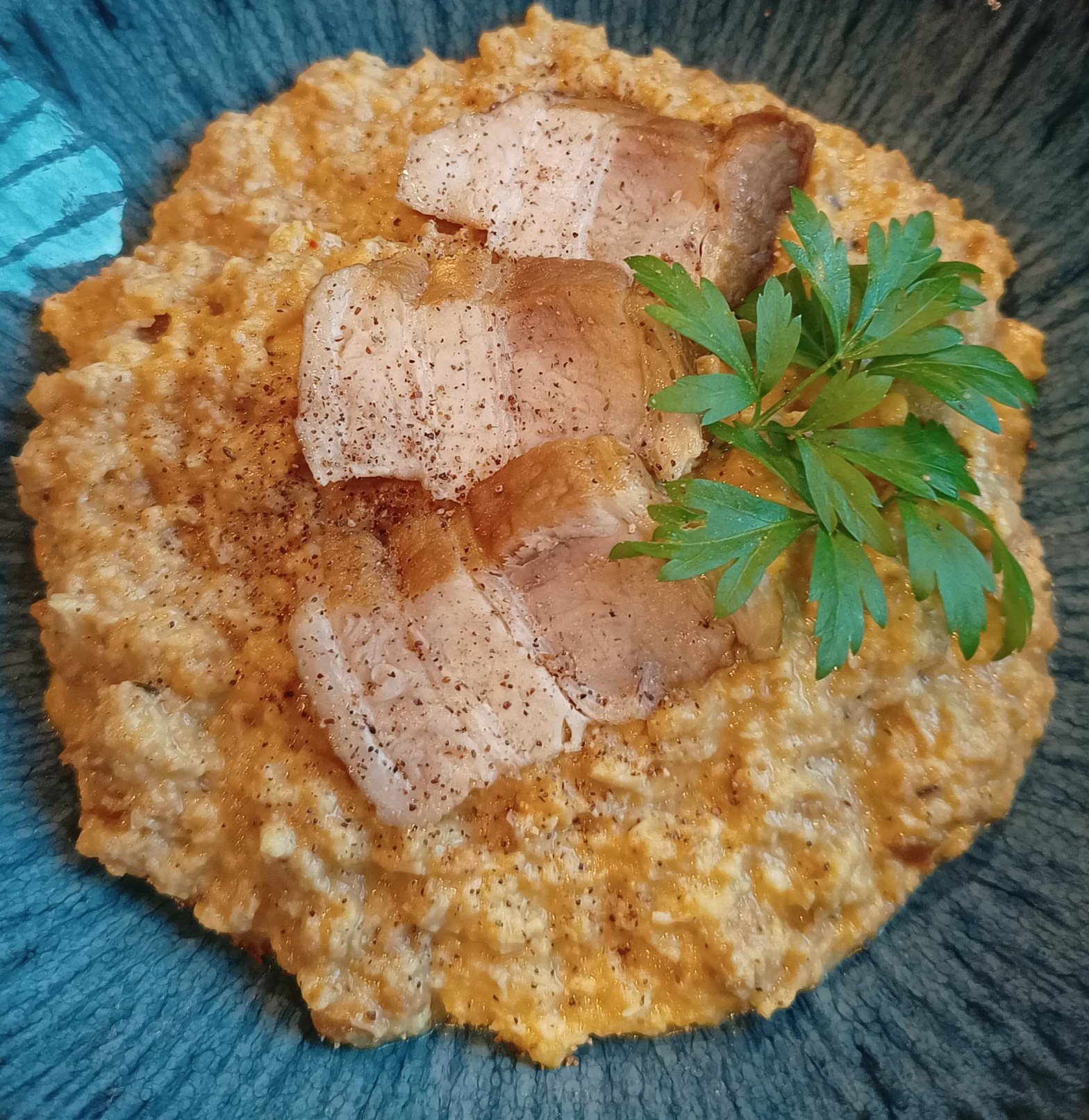
I’m always on the lookout for good, very-tasty-indeed, comfort food. And so were medieval folk. Here’s a brief history of Mortrews, the ultimate in meaty, starchy goodness. And it is followed by the brand new recipe for my Modern/Medieval version of Mortress.
Seven things you never knew you needed to know about beetroot in medieval England. Glorious!
Oh, and there’s a modern-though-medieval-spiced, pickled beetroot recipe from Ray. Delicious!
Flour or flower? That is the question. In this post, I address the spice known as ‘flour of canel’ and explain how it should be understood as ‘cassia buds’. There are Middle English recipe readings to be had too!




 MONK'S MODERN MEDIEVAL CUISINE