
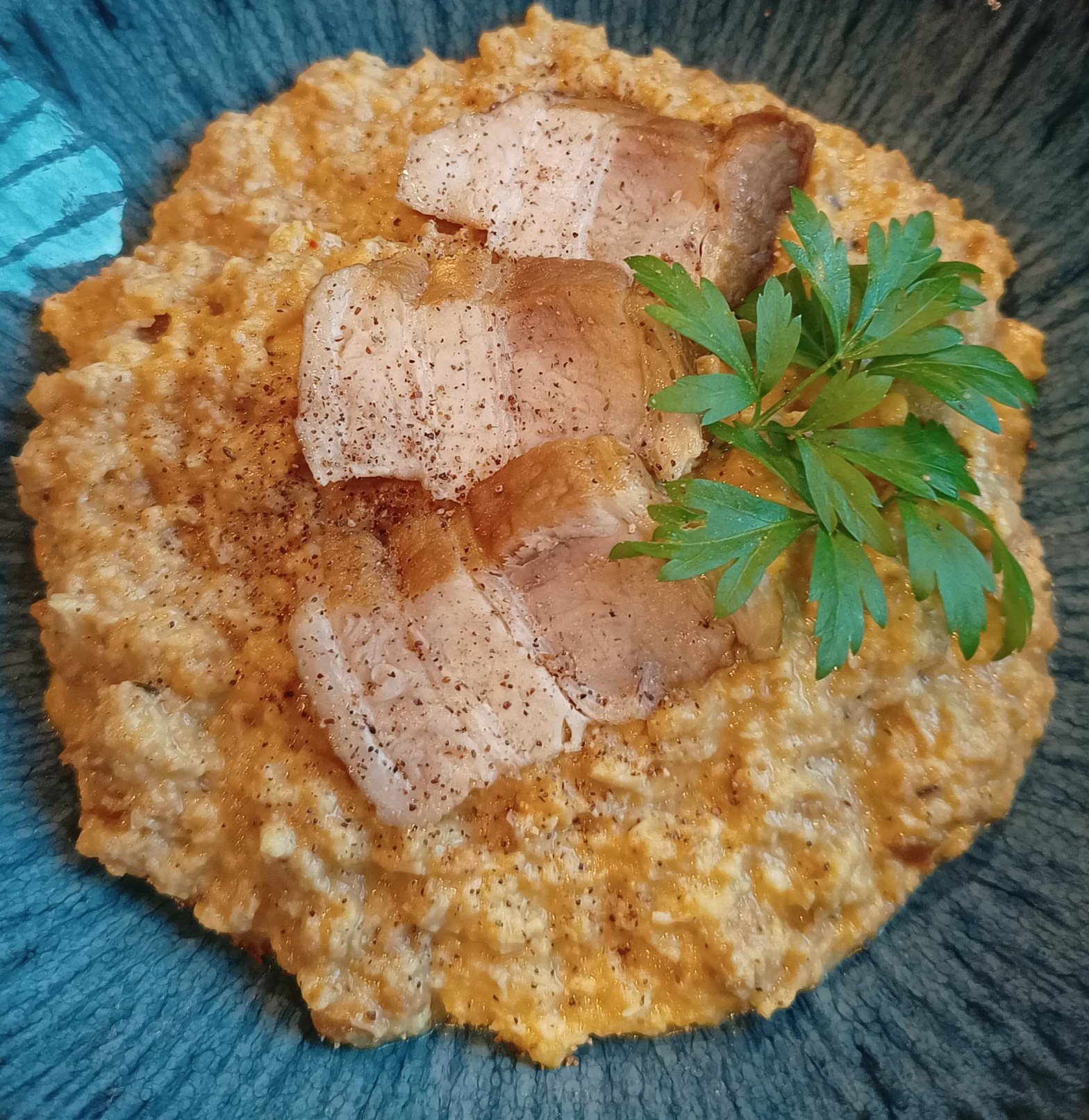
I’m always on the lookout for good, very-tasty-indeed, comfort food. And so were medieval folk. Here’s a brief history of Mortrews, the ultimate in meaty, starchy goodness. And it is followed by the brand new recipe for my Modern/Medieval version of Mortress.
Category Archives: Food history
Beet it!

Seven things you never knew you needed to know about beetroot in medieval England. Glorious!
Oh, and there’s a modern-though-medieval-spiced, pickled beetroot recipe from Ray. Delicious!
Cassia buds, the ‘flower’ of medieval spices

Flour or flower? That is the question. In this post, I address the spice known as ‘flour of canel’ and explain how it should be understood as ‘cassia buds’. There are Middle English recipe readings to be had too!
The poky palace kitchen of Portchester Castle

The palace lodgings of Portchester Castle, built by Richard II, have a rather poky kitchen. But for whom were the palace lodgings built, and what might the cooks have made for their lord and his guests?
Hot Caudle, anyone? (Part One)

Caudel Ferry… drink, soup, or custard? Follow along as I explore the medieval history of this ‘hot caudle’.
Cabbage pottage: not just for peasants
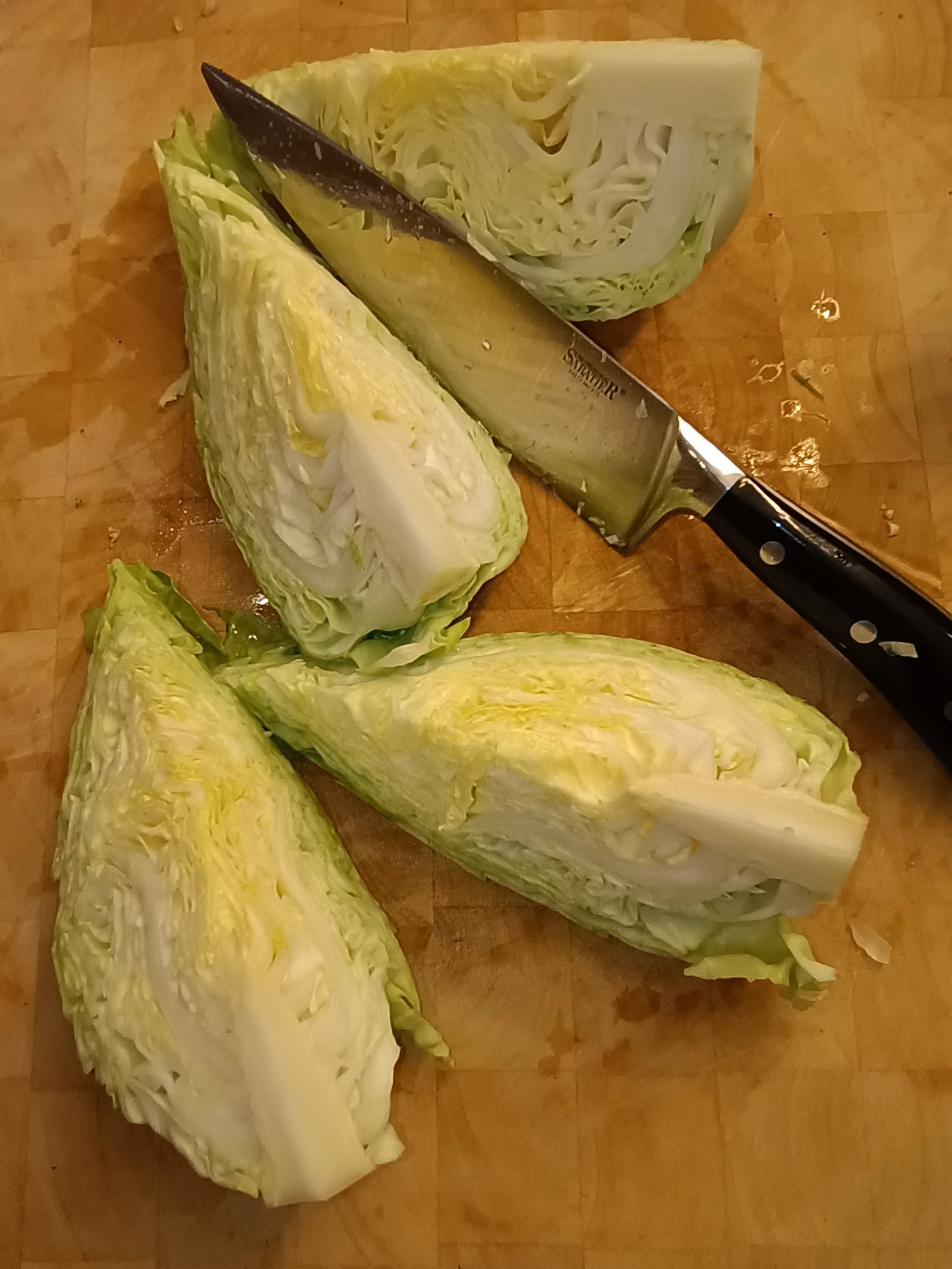
The humble cabbage wasn’t just something peasants grew in their gardens to put in their pottage. Lords and kings may have eaten it too… with a little spice and saffron added, of course!
Appulmoy, apple rice pottage

The history, etymology and, of course, a recipe of Appulmoy, a creamy rice and apple pottage from Richard II’s cookery book, is offered to you all in this my Christmas blog post. Merry Christmas!
Food related articles for Rochester Cathedral exhibition

Some new articles about food rents, diets, and medical recipes on Rochester Cathedral’s website.
More on brains: a 15th-century recipe for calves’ or pigs’ brains
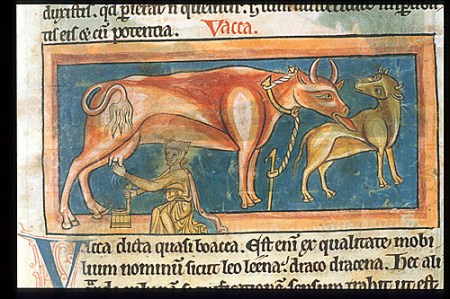
More on English medieval recipes that use brains. This “new” recipe is remarkably similar to modern day dishes using brains and eggs.
Language of Cookery 9: From brawn to brains

Did King Richard II have pig’s brain on the household menu? What’s the evidence for medieval English folk consuming animal brains?

