

The third dish in my Easy Medieval Food series is Payne Foundewe, meaning something like ‘melted bread’. It is very easy to make. In essence it’s a sweet bread pudding, full of juicy raisins of Corinth (currants), and spiced with cassia (a kind of cinnamon), nutmeg and stem ginger, which is what medieval folk calledContinue reading “Easy Medieval Food: Payne Foundewe”
Category Archives: Recipes
Easy Medieval Food: Douce Jame

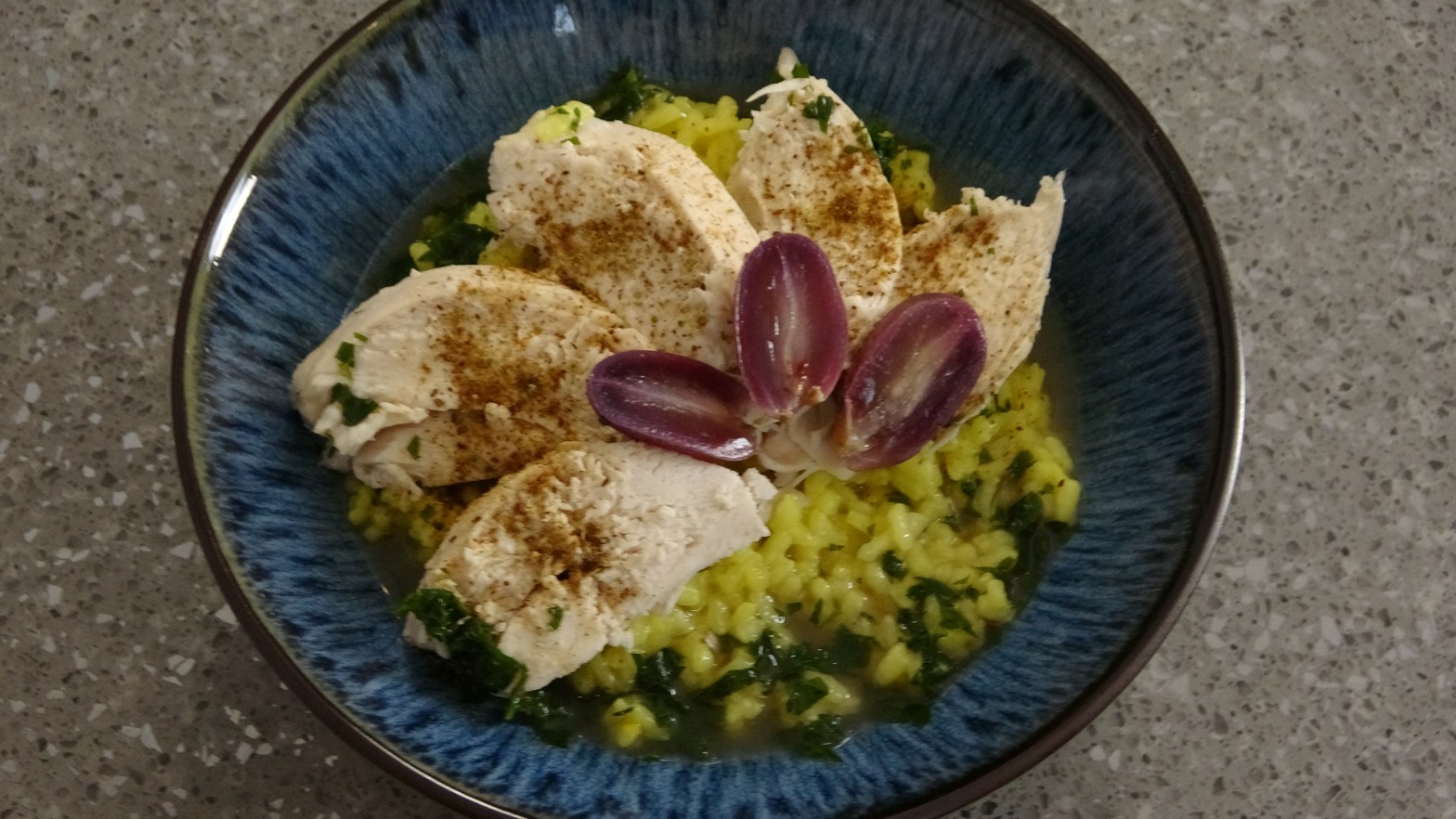
The latest video in my new series Easy Medieval Food. Douce Jame. Chicken cooked in milk. Easy & delicious!
New Series: Easy Medieval Food
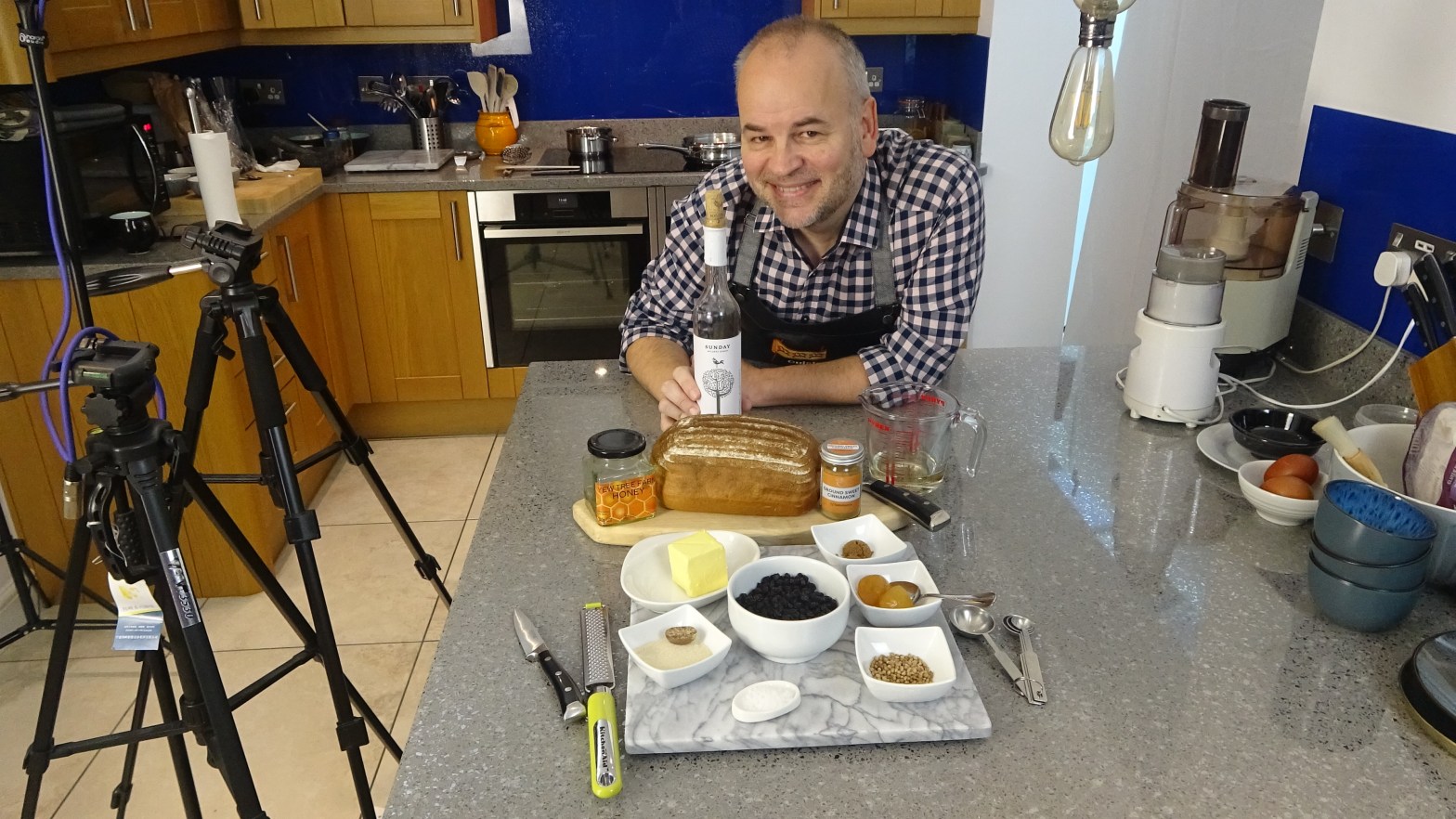
New video series starts Sunday. Watch the trailer. Download first three recipes.
Medieval cheescake for a happy birthday
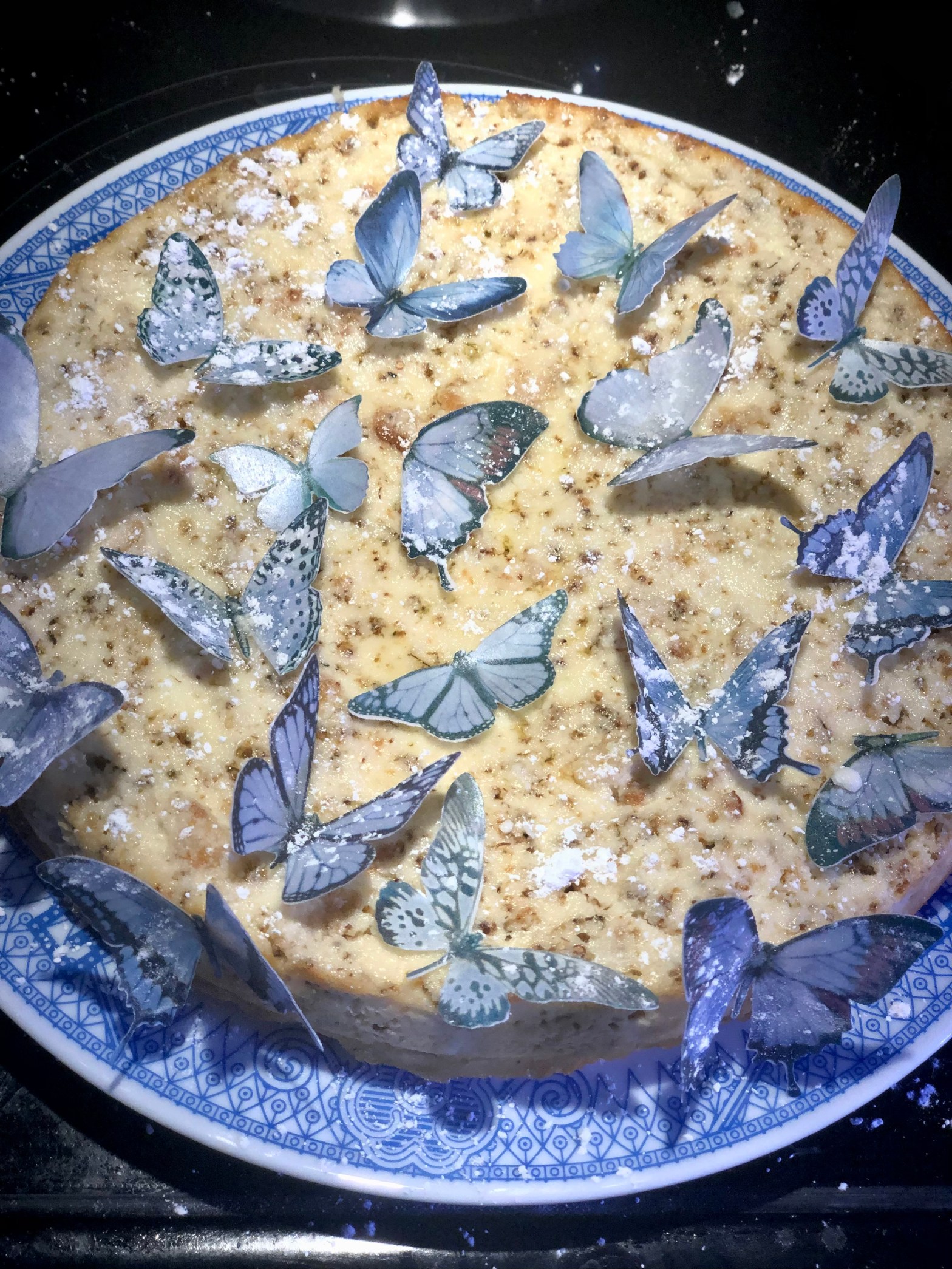
I love getting feedback from folk who try out one of my recipes. Here’s what Irys and Teal thought of Sambocade, the earliest cheesecake in England.
Hastletes of Fruyt (fruit kebabs)

Fancy a gilded, stuffed fig kebab? In my latest recipe experiment I adapt a delicious recipe from Richard II’s 14th-century cookery book.
New YouTube Video: Medieval Christmas Bites 2

More moreish medieval Christmas bites! These slightly decadent canapes are fairly simple to make, I promise!
Premium Content: Medieval Christmas Bites Booklet

An early Christmas present for my Premium Content Subscribers… Modern Medieval Christmas Bites… Three delicious recipes for the perfect medievalist Christmas party.
Premium Content: Ryse of Fleysche, Printable Recipe

Detailed, printable recipe based on an original recipe from Forme of Cury, Richard II’s cookery treatise (c.1390).
Includes Dr Monk’s edition and translation of the original Middle English recipe.
Available to Premium Content Subscribers.
Premium Content: Chykens in Hocche, Printable Recipe
A detailed, printable recipe based on an original recipe from Forme of Cury (c.1390), Richard II’s official cookery book.
Includes Dr Monk’s edition and translation of the original recipe, along with historical notes.
Available to Premium Content Subscribers.
New YouTube video: In Search of Medieval Breakfast
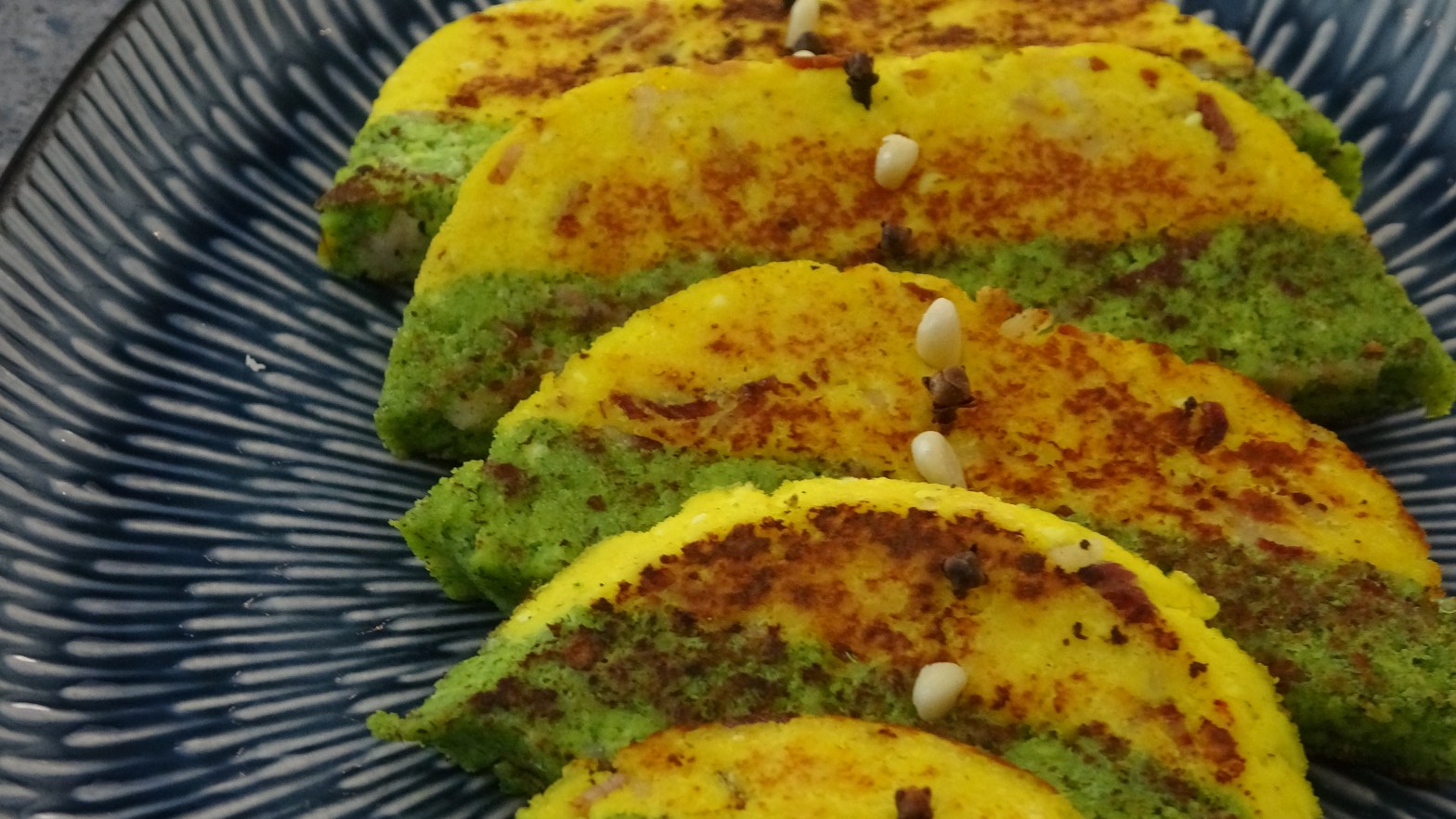
Dr Christopher Monk explores what medieval folk may have eaten for breakfast, then cooks a fourteenth-century dish that has become a favourite for his own breakfast?
 MONK'S MODERN MEDIEVAL CUISINE