
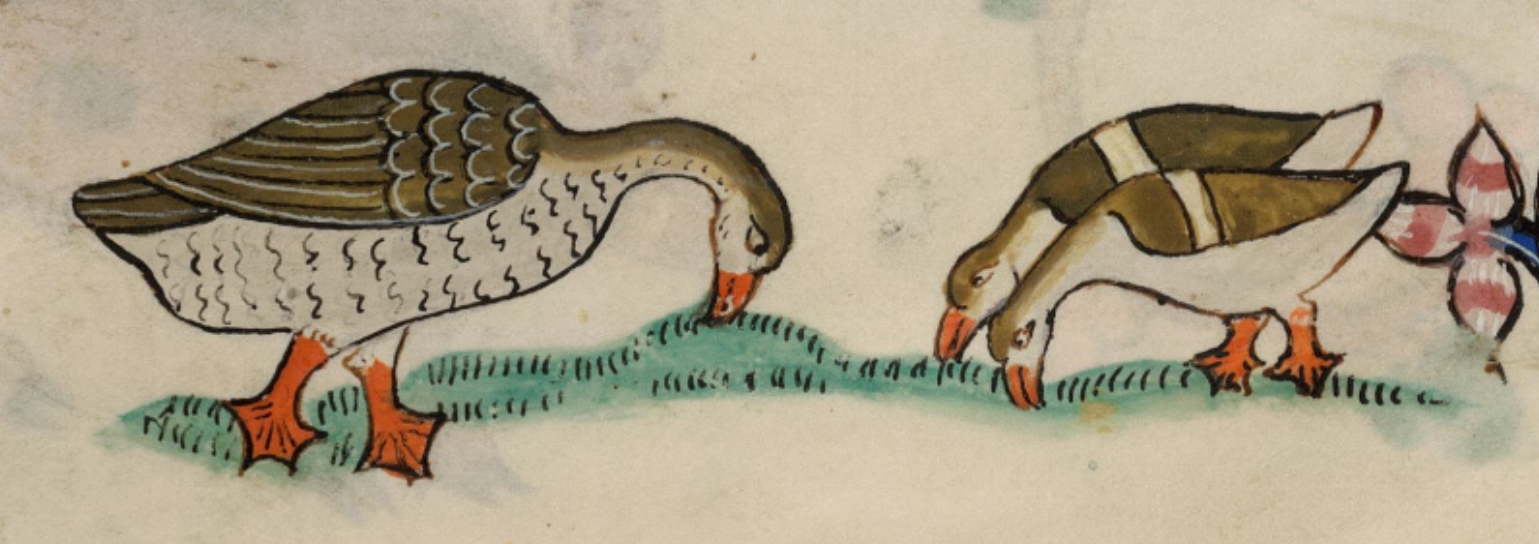
Find out what happened when a goose met a peacock at a medieval feast.
Author Archives: Christopher Monk
Happy New Year! Top posts of 2024

Find out what the top five posts of 2024 were. And here’s to an even better 2025!
On the Twelfth Day of [Medieval] Christmas…
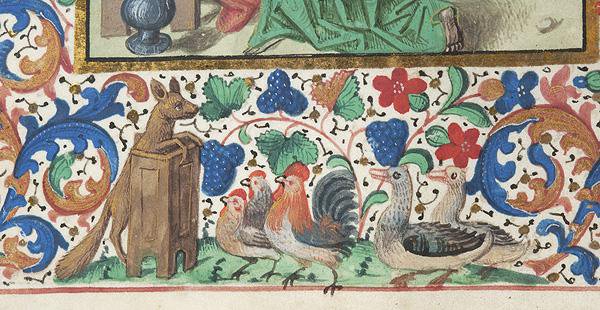
Here’s my re-imagining of the famous carol The Twelve Days of Christmas.
The kuskenole: genesis of the Christmas mince pie
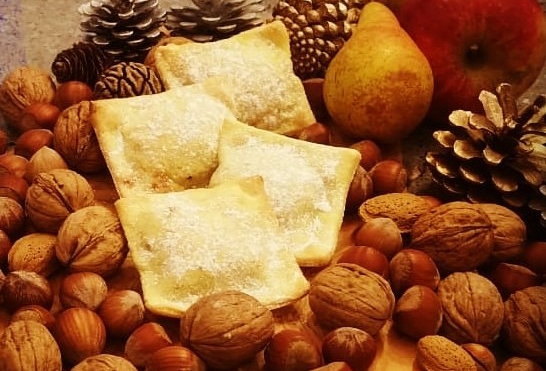
Here’s a re-post of one of my most popular posts.
Do you know the true forerunner to the English mince pie? Dr Monk argues in favour of the Anglo-Norman Kuskenole.
Mortrews for comfort
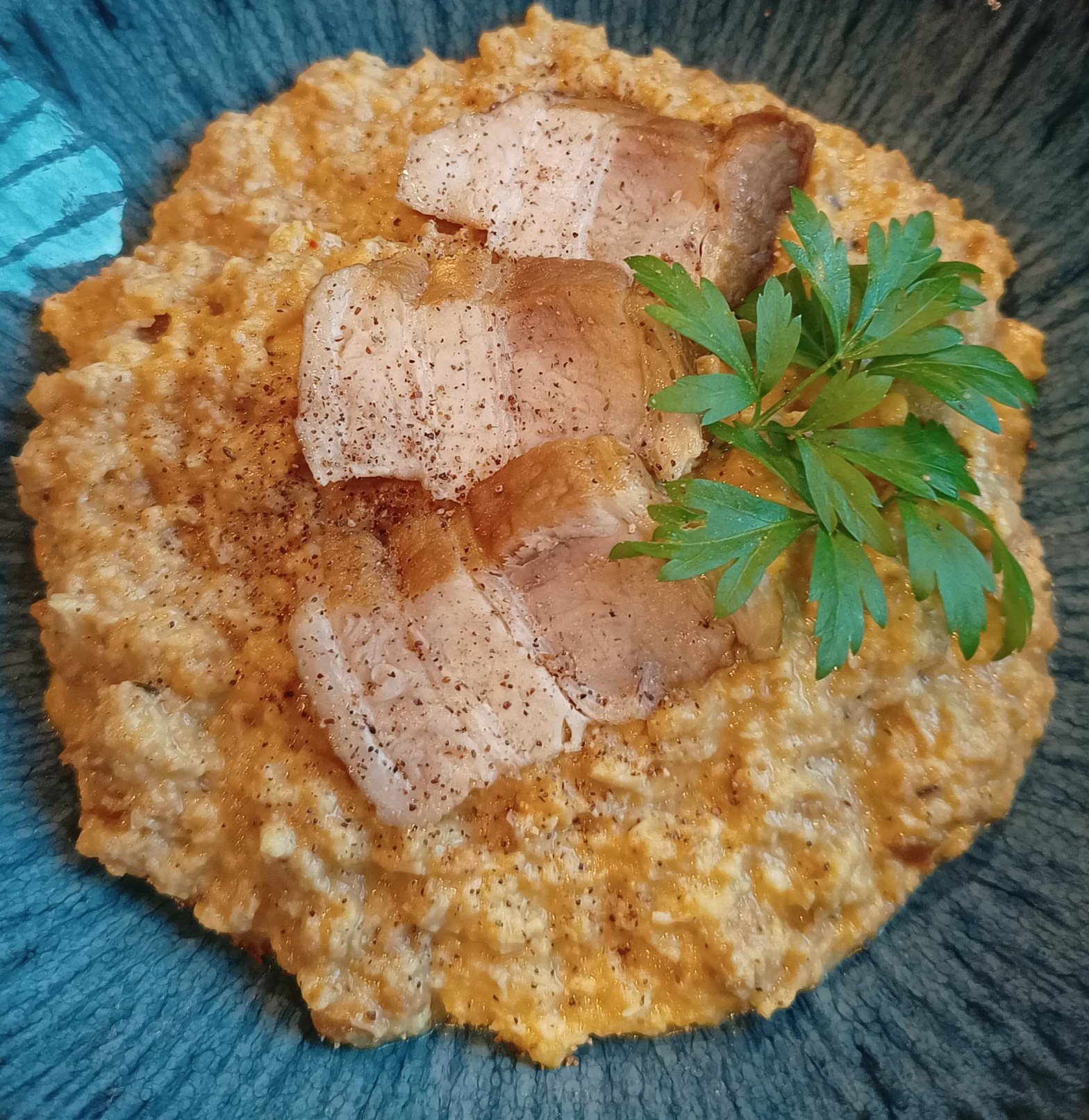
I’m always on the lookout for good, very-tasty-indeed, comfort food. And so were medieval folk. Here’s a brief history of Mortrews, the ultimate in meaty, starchy goodness. And it is followed by the brand new recipe for my Modern/Medieval version of Mortress.
Payne ragoun: fit for a queen

Here’s a re-blog of one of my all-time popular posts.
This is not just food. this is a medieval queen’s food…
Beet it!

Seven things you never knew you needed to know about beetroot in medieval England. Glorious!
Oh, and there’s a modern-though-medieval-spiced, pickled beetroot recipe from Ray. Delicious!
Down in the woods, part 2
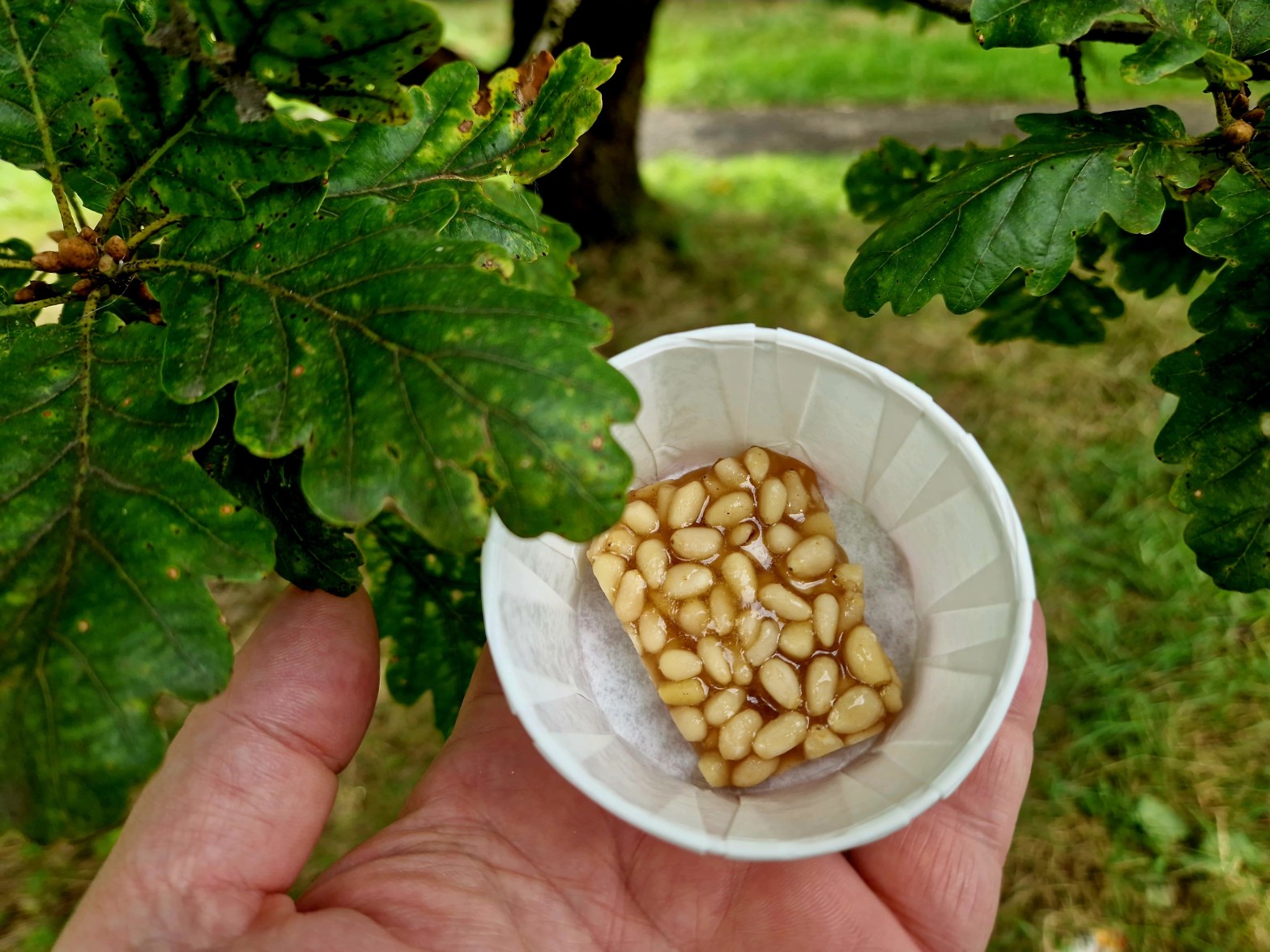
More medieval food in Bailey’s Wood, Manchester. This time, two sweet treats. Full recipes included.
Down in the woods, part 1

Down in the woods… I cooked some smoked, spicy chickpeas. Yum!
Cassia buds, the ‘flower’ of medieval spices

Flour or flower? That is the question. In this post, I address the spice known as ‘flour of canel’ and explain how it should be understood as ‘cassia buds’. There are Middle English recipe readings to be had too!

