
I just want to let you know that I haven’t disappeared and explain why there have been fewer posts in recent weeks here on my website, Modern Medieval Cuisine. Unfortunately, I’ve been having health problems. I was diagnosed about ten years ago with a functional neurological disorder that affects movement, muscle strength, and cognitive function.Continue reading “Functional neurological disorder”
Author Archives: Christopher Monk
The poky palace kitchen of Portchester Castle

The palace lodgings of Portchester Castle, built by Richard II, have a rather poky kitchen. But for whom were the palace lodgings built, and what might the cooks have made for their lord and his guests?
Lactose-free, soufflé-light, baked elderflower cheesecake, inspired by Richard II’s Sambocade

I’ve just made a new version of my medieval-inspired baked cheesecake. It’s delicious!
Hot Caudle, anyone? (Part One)

Caudel Ferry… drink, soup, or custard? Follow along as I explore the medieval history of this ‘hot caudle’.
I may be a bit quiet for a few weeks
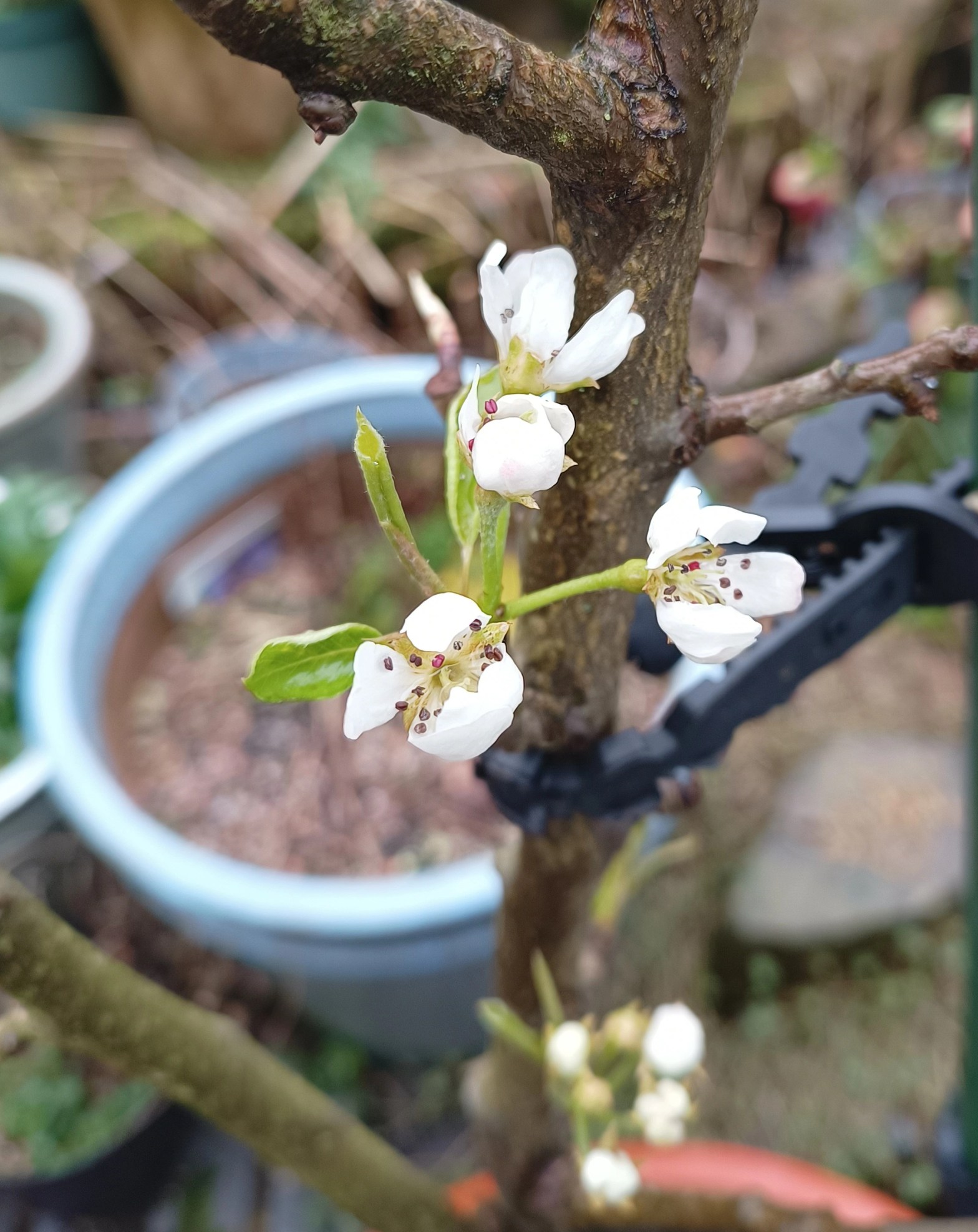
Image: Pear blossom in my garden Hello everyone. This is a note to my regular readers and monthly subscribers: I’m having an operation tomorrow, and I’ve been told I may need to rest for a number of weeks afterwards. So there may be less activity on this website and on my YouTube channel over theContinue reading “I may be a bit quiet for a few weeks”
Aqua Patys, Alexander the Great, and Dragons
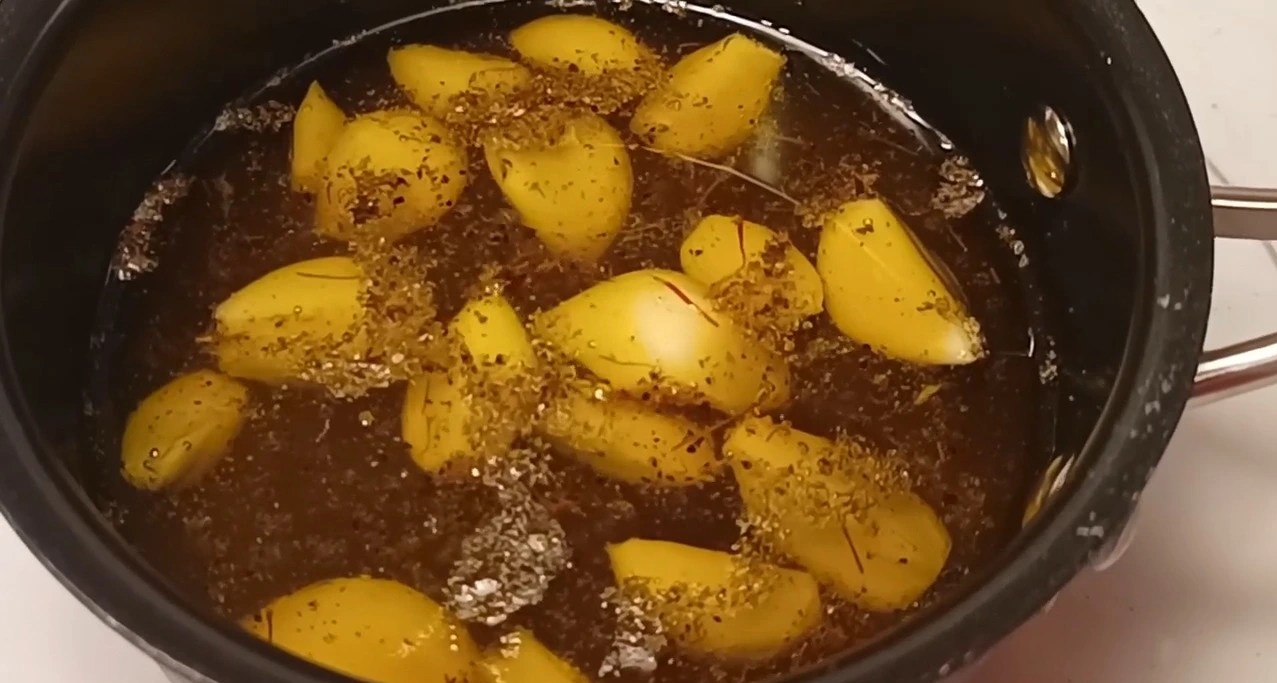
What does Aquapatys, the name of a garlic pottage actually mean? A poem about Alexander the great and dragons helps in finding the answer.
Makke & Aquapatys: my modern-medieval holiday combo

I’ve created a delicious combo of chickpea purée, sprinkled with crispy onions, and confit garlic. Both the original medieval recipes and my modern adaptations are included in the post. And there’s a bonus video for monthly subscribers. Enjoy!
New video and recipe: Tart of Applis

This is a wonderful, comforting apple tart. If you want to know where the idea for apple pie came from, you should take a look at this.
New Recipe: Caboches in Potage

My new recipe for Caboches in Potage is live. Yummy winter goodness!
Cabbage pottage: not just for peasants
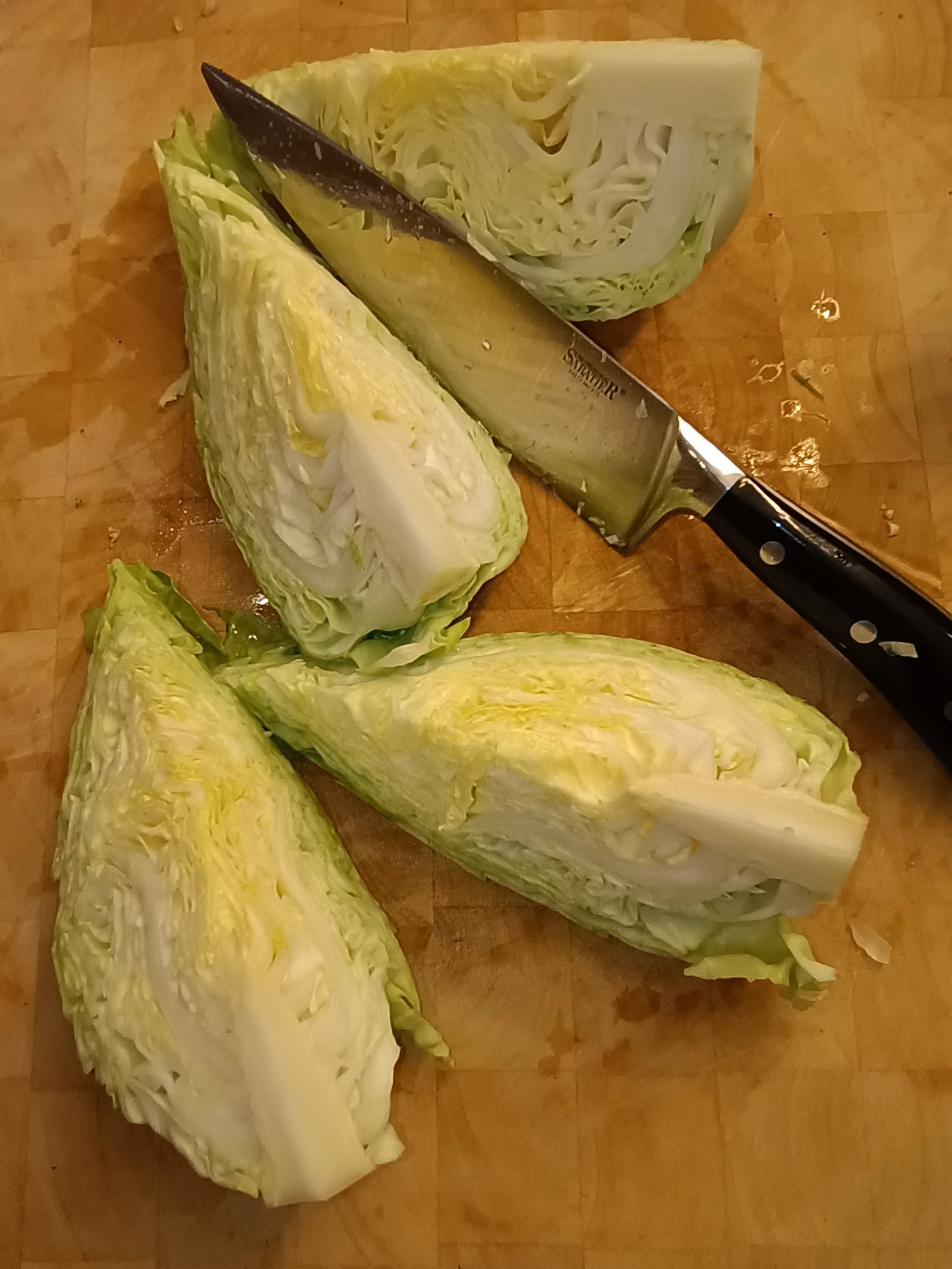
The humble cabbage wasn’t just something peasants grew in their gardens to put in their pottage. Lords and kings may have eaten it too… with a little spice and saffron added, of course!

