
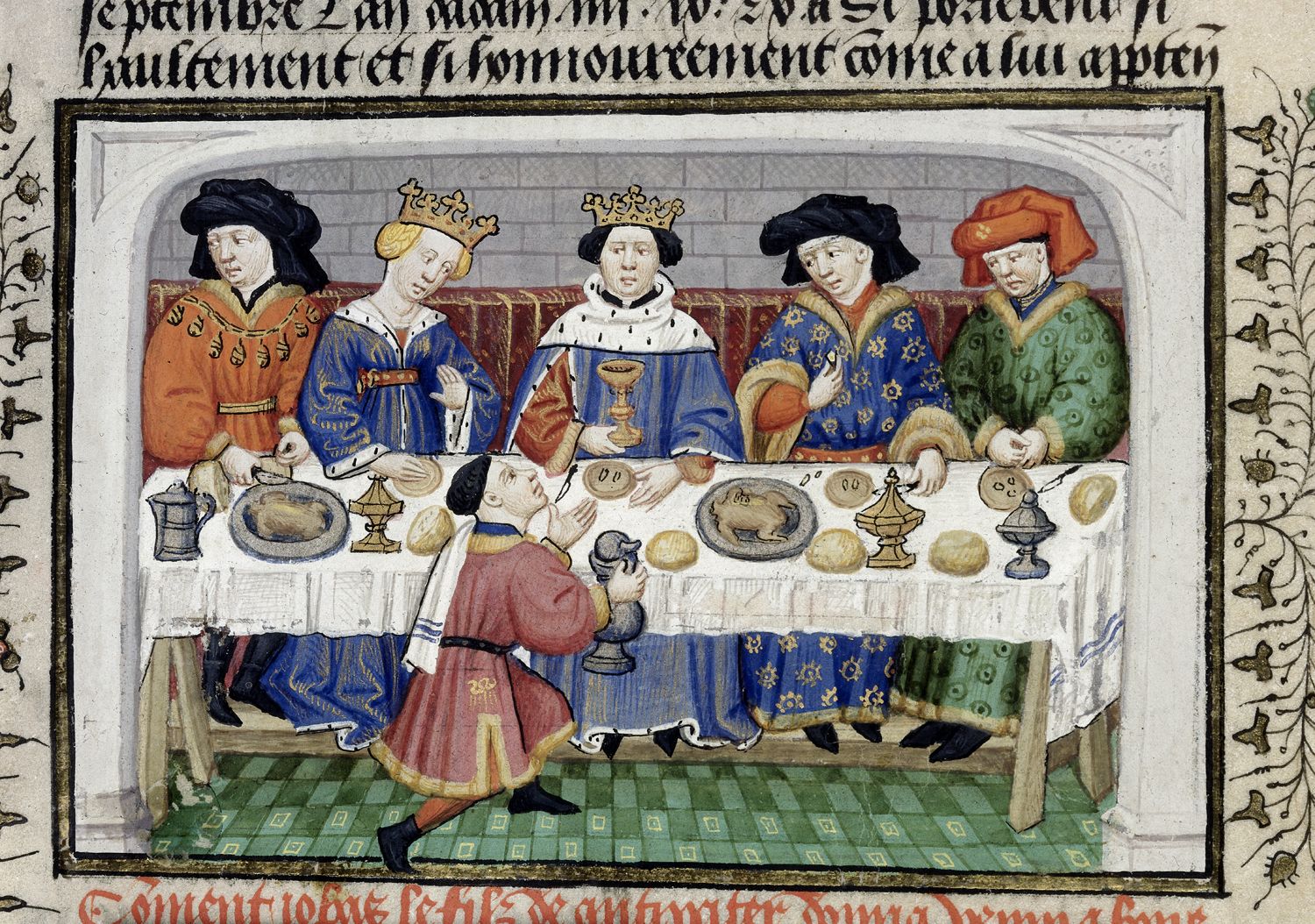
Heard of Vernaccia, or Vernage? In this my last blog post of 2023, I give you some information about this wine, based on recent research for my glossary.
Author Archives: Christopher Monk
Appulmoy, apple rice pottage

The history, etymology and, of course, a recipe of Appulmoy, a creamy rice and apple pottage from Richard II’s cookery book, is offered to you all in this my Christmas blog post. Merry Christmas!
Medieval culinary glossary: tansy

Tansy is used once in Fourme of Cury. Find out more about this herb in the Medieval Culinary Glossary excerpts.
New Premium Content video: Roasting, part 2

Roasting, Part Two: Cocagrys
Dr Monk guides you through the script of the original recipe in the John Rylands Library manuscript before exploring how the dish was prepared and cooked.
Medieval culinary glossary: Saffron
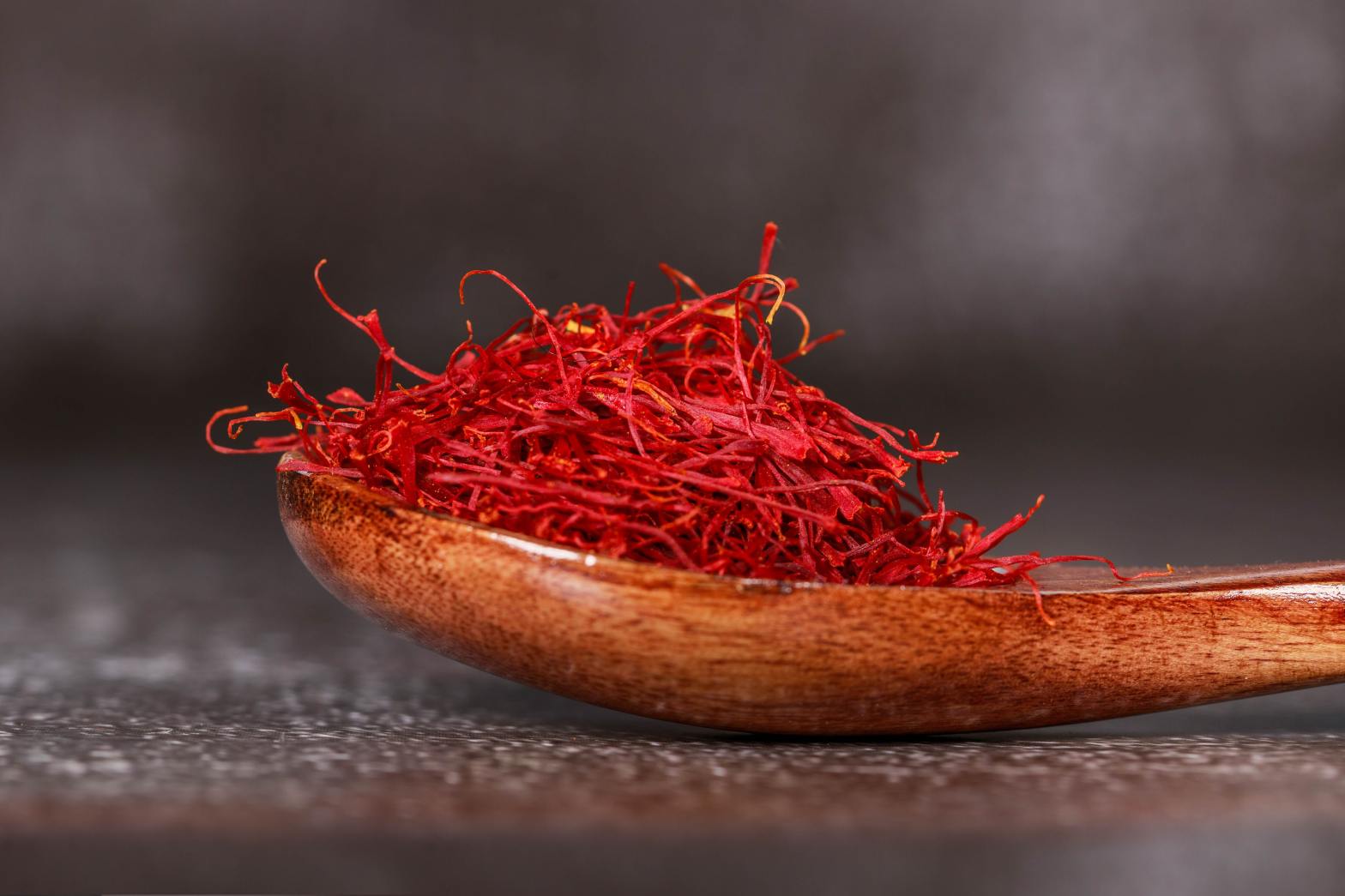
Saffron was the single most important spice in Richard II’s cookery treatise. Read more about its history in late medieval England.
Free recipe: Quince creme (Connate)

Quinces are being harvested as I write. Time for something different. Connate.
Coming Up
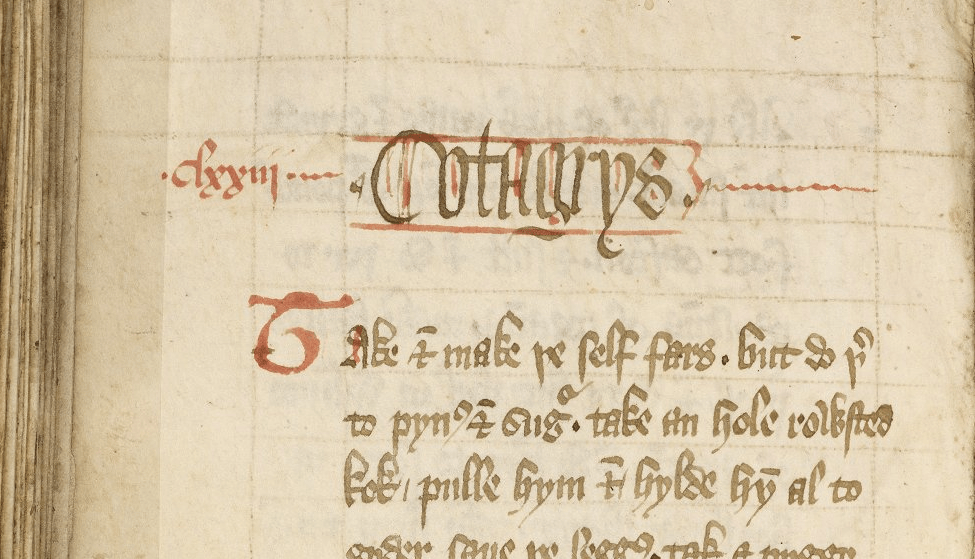
Hello everyone, First, I would like to apologise for the relative inactivity on my website over the last couple of months. Unfortunately, as well as having to fulfill some obligations on a project with Rochester Cathedral (an exhibition which did include a food history element, see image below), I’ve been struggling with health problems. IContinue reading “Coming Up”
Sweet Medieval Things. Payn Puff(s)

Richard II enjoyed Payn Puff at two feasts, and had the dish included in his culinary treatise, Fourme of Cury. Find out what is behind its name, and how the recipe changed in the decades following Richard’s reign.
Food related articles for Rochester Cathedral exhibition

Some new articles about food rents, diets, and medical recipes on Rochester Cathedral’s website.
New YouTube video: Pistachio and ginger toffee tarts
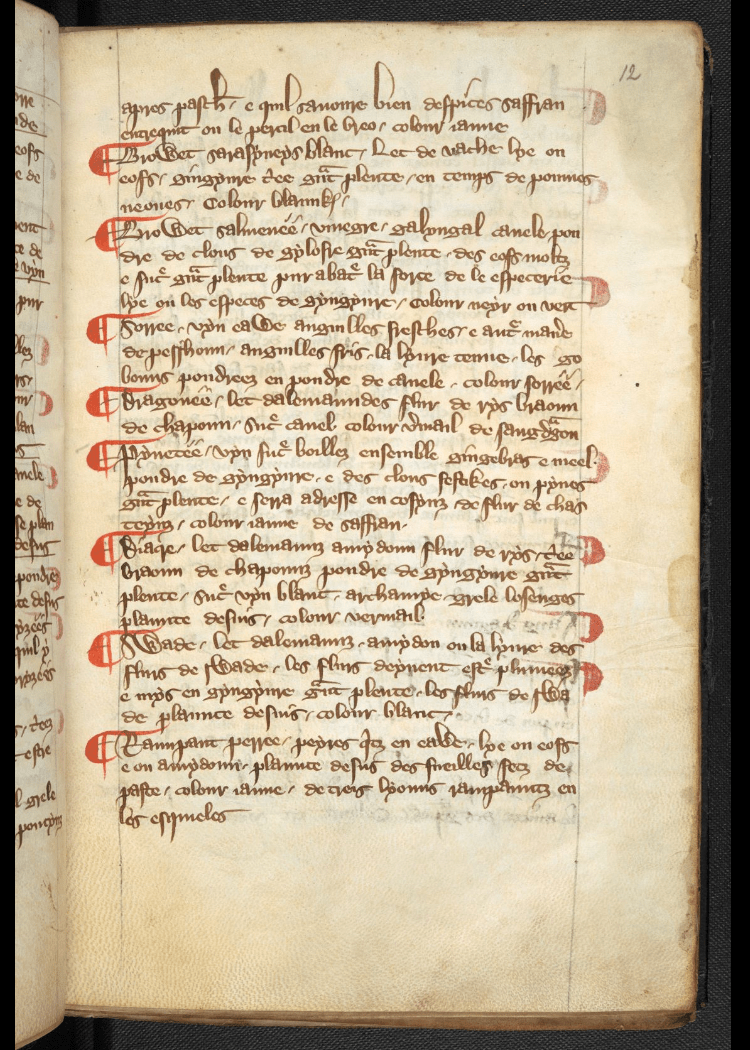
Using an early 14th-century recipe written in Anglo-Norman French as the starting point, my new new video shows you how to make this moreish pistachio and ginger toffee tart. And it’s gluten-free!

