

Dr Monk reads Capouns in Councy (Capons in Quince Sauce) from Forme of Cury, along with his translation.
Author Archives: Christopher Monk
Premium Content: recipe for Peerus in Confyt

Fully tested recipe for Peerus in Confyt (Pears in Syrup) based on Richard II’s Forme of Cury. Contains the edited text and a translation of the original medieval recipe.
Premium Content: Blanche Poudour
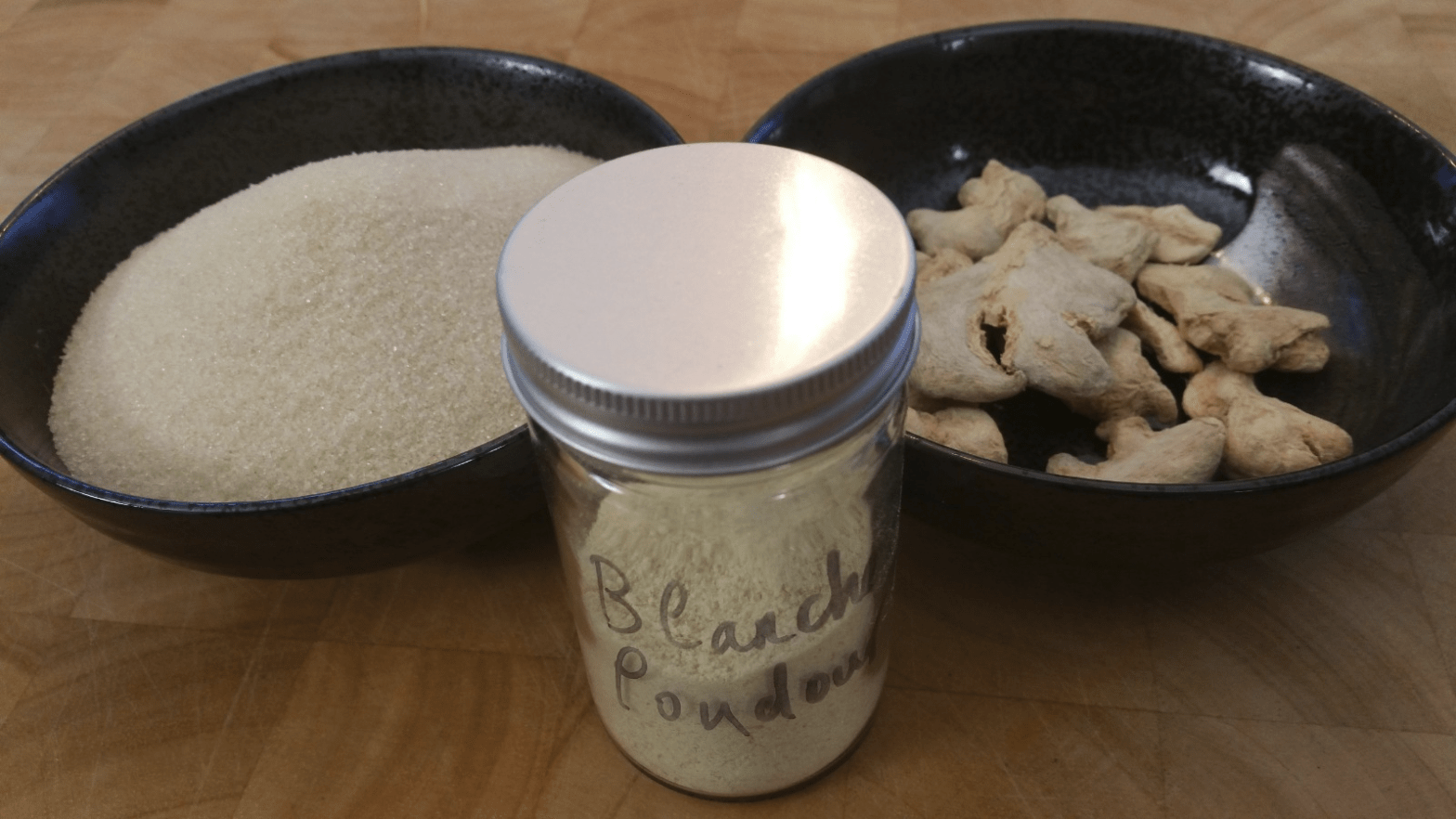
Bonus video for Premium Content subscribers: How to make blanche poudour.
Premium Content: Reading & translation of Crustardes of erbes on fysche day

Dr Monk reads and translates Crustardes of erbes on fysche day (from his working edition of Forme of Cury).
In my study: reading and translating the John Rylands Forme of Cury

Dr Monk swaps the kitchen for his study to give you a behind the scenes look at the John Rylands Library copy of Forme of Cury (Richard II’s cookery book).
Language of cookery 6: Capons and “quinces”
What have egg yolks and quinces to do with one another? Follow Dr Monk as he looks at 3 fourteenth-century recipes for a capon dish.
Medieval Christmas Pastries

Merry Christmas everyone! My first video (part 1 and 2) has arrived! Just follow the link below to see how I make Cuskynoles and Pynite. They are delicious! Video
Galentine: cold, hot, sauce or jelly?

I have been writing chapter 5 of my book (working title: How to Cook in the Fourteenth Century) which is dedicated to the sauce and condiment recipes in Richard II’s Forme of Cury. One of these recipes, ‘Galentyne’ in the Middle English text, intrigues me. The main reason for the fascination is that this particularContinue reading “Galentine: cold, hot, sauce or jelly?”
More on Parsley

What do pre-Conquest documents show about the use of parsley in early medieval England? One of the things I didn’t go into much detail about in my recent post Wild about parsley? was the use of parsley in medicine in early medieval England (more familiarly, the ‘Anglo-Saxon’ period). So I thought I would just shareContinue reading “More on Parsley”
Wild about parsley?
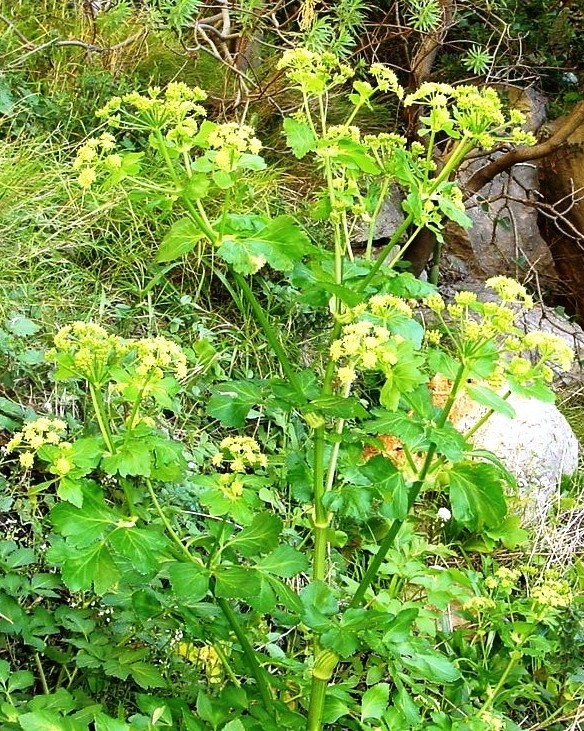
What kind of parsley was used in medieval English cuisine? Today, parsley is nigh on ubiquitous. If we’re not growing it in our gardens, we’re growing it in squishy supermarket punnets on our kitchen windowsills. Or, may the culinary gods forgive us, we’ve got bunches of it languishing in our fridge salad draws! When beingContinue reading “Wild about parsley?”
 MONK'S MODERN MEDIEVAL CUISINE